
 21 Feb 2026
Admin ISO
51 Comment
21 Feb 2026
Admin ISO
51 Comment
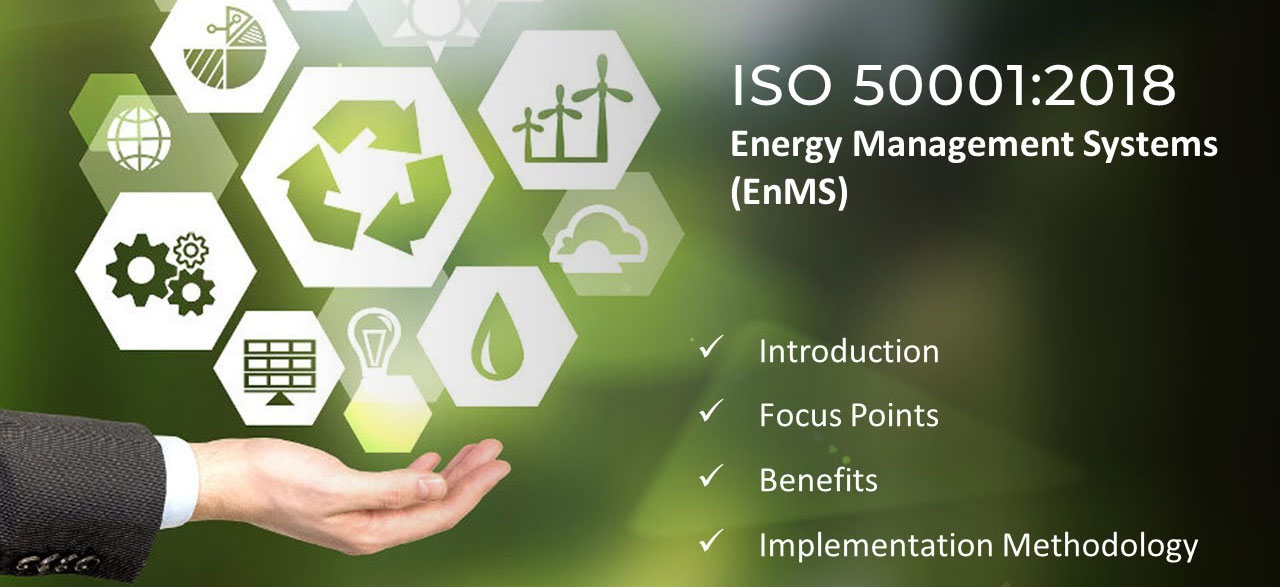
ISO 50001-2018 Certification-Complete Guide to Energy Management System
In today’s energy-conscious world, organizations are under increasing pressure to improve energy performance, reduce costs, and minimize environmental impact. ISO 50001:2018 Certification provides a globally recognized framework for establishing an effective Energy Management System (EnMS). Businesses across industries are adopting this standard to enhance energy efficiency and demonstrate their commitment to sustainability.
If you are searching for ISO 50001:2018 online certification, this guide will help you understand its benefits, requirements, and certification process.
What is ISO 50001:2018?
ISO 50001:2018 is an international standard developed by the International Organization for Standardization (ISO) that specifies requirements for establishing, implementing, maintaining, and improving an Energy Management System.
The primary goal of ISO 50001 is to help organizations:
-
Improve energy performance
-
Reduce energy consumption
-
Lower operational costs
-
Decrease greenhouse gas emissions
-
Promote sustainable energy use
The standard follows the Plan–Do–Check–Act (PDCA) cycle, ensuring continuous improvement in energy management practices.
Why ISO 50001 Certification is Important
Energy costs represent a significant portion of operational expenses for many organizations. ISO 50001 certification helps businesses systematically manage energy usage and identify opportunities for improvement.
Key advantages include:
-
Improved energy efficiency
-
Reduced utility bills
-
Enhanced environmental performance
-
Better regulatory compliance
-
Strong corporate sustainability image
-
Competitive advantage in tenders
Organizations with ISO 50001 certification often experience measurable savings and improved operational control.
Who Should Get ISO 50001:2018 Certification?
ISO 50001 is suitable for organizations of all sizes and sectors, including:
-
Manufacturing industries
-
Power and energy companies
-
Commercial buildings
-
Data centers
-
Hospitals
-
Educational institutions
-
Infrastructure and utilities
Any organization seeking to optimize energy use can benefit from this certification.
ISO 50001:2018 Certification Process
The certification process typically involves the following steps:
1. Gap Analysis
Assessment of current energy management practices against ISO 50001 requirements.
2. Documentation & Implementation
Development of energy policy, objectives, procedures, and operational controls.
3. Internal Audit
Verification of system effectiveness before the certification audit.
4. Certification Audit
Independent third-party audit by an accredited certification body.
5. Certification Issuance
Upon successful audit, the ISO 50001 certificate is issued.
6. Surveillance Audits
Periodic audits ensure ongoing compliance and continual improvement.
Benefits of ISO 50001:2018 Online Certification
With digital transformation, many organizations now prefer online ISO certification services. Key benefits include:
-
Faster documentation process
-
Remote audit support
-
Cost-effective implementation
-
Expert guidance from anywhere
-
Minimal business disruption
Online certification makes the process more accessible, especially for SMEs.
Documents Required for ISO 50001 Certification
Typically, you will need:
-
Business registration proof
-
Energy policy
-
Energy usage data
-
Process flow details
-
Organizational structure
-
Previous energy records (if available)
 ISO 9001 Certification for Engineering Industries in Odhav GIDC
  ISO 9001 Certification for Pharmaceutical Companies in Changodar
  ISO 9001 Certification for Textile Manufacturers in Naroda GIDC
  ISO 27001 Certification in Ahmedabad
  ISO 45001 Certification in Ahmedabad
  ISO 14001 Certification in Ahmedabad
  ISO 9001 Certification in Ahmedabad
  ISO Rohs Certification in Nashik Maharashtra
  ISO 27018 Certification in Ahmedabad
  ISO 22301 Certification in Ahmedabad