
 12 Oct 2026
Admin ISO
51 Comment
12 Oct 2026
Admin ISO
51 Comment
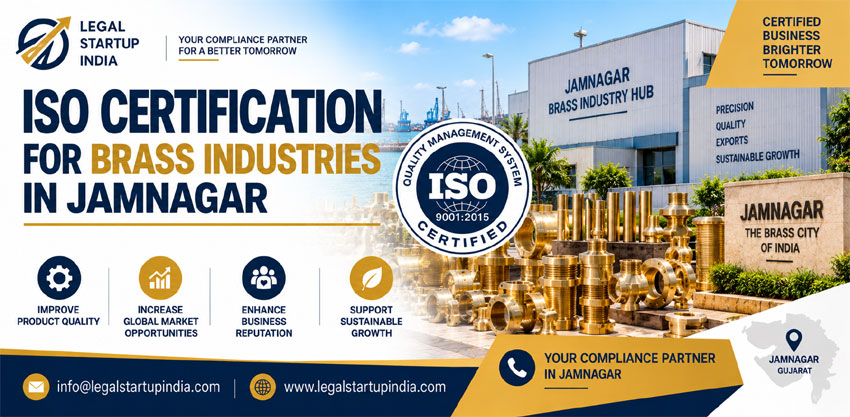
ISO Certification for Brass Industries in Jamnagar
Introduction
Jamnagar, Gujarat, is widely known for its brass manufacturing industry. The city has a strong network of brass component manufacturers, precision machining units, turned-part manufacturers, exporters, and industrial suppliers. These businesses serve different sectors, including electrical equipment, plumbing, automotive components, engineering, and industrial machinery.
In such a competitive market, consistent product quality, reliable delivery, and effective production controls are essential. ISO Certification for Brass Industries in Jamnagar can help businesses establish a structured management system and demonstrate their commitment to recognized international standards.
For example, a brass component manufacturer supplying precision parts to an electrical equipment company may need to maintain dimensional inspection records, control production defects, and respond effectively to customer complaints. A well-implemented quality management system helps organize these activities and supports continuous improvement.
ISO certification does not automatically guarantee product quality or new contracts. However, it can provide documented evidence that a company's management system has been assessed against the requirements of a specified standard.
Legal Startup India helps businesses understand ISO certification requirements, prepare relevant documentation, and navigate the certification process.
Why Do Brass Industries in Jamnagar Need ISO Certification?
Brass manufacturing involves activities such as raw material selection, machining, turning, component finishing, inspection, and packaging. Errors during these stages can lead to rejected components, material waste, delayed deliveries, and customer dissatisfaction.
A suitable ISO management system helps businesses establish consistent procedures and monitor their performance.
Key reasons to consider ISO certification include:
-
Consistent product quality: Establish clear inspection procedures and monitor manufacturing processes.
-
Customer and buyer requirements: Meet specific certification requirements set by customers or procurement teams.
-
Better process management: Maintain production records, define responsibilities, and address recurring problems.
-
Business credibility: Demonstrate conformity with a recognized management system standard.
-
Export readiness: Support supplier evaluations where buyers request relevant ISO certification.
-
Continuous improvement: Use audits, performance reviews, and corrective actions to improve operations.
ISO certification is not universally mandatory for every brass manufacturer. Its importance depends on the applicable regulations, customer contracts, tender requirements, and business objectives.
Which ISO Certification Is Suitable for Brass Manufacturers?
The appropriate ISO standard depends on the company's activities and the management areas it wants to improve.
1. ISO 9001 Certification for Brass Industries
ISO 9001 is a quality management system standard suitable for brass component manufacturers, precision machining units, engineering suppliers, and other manufacturing businesses.
It focuses on process consistency, customer satisfaction, risk-based thinking, performance evaluation, and continual improvement.
For example, a brass turned-parts manufacturer can use documented inspection procedures to monitor component dimensions and investigate repeated production defects.
2. ISO 14001 Certification for Environmental Management
Brass manufacturing operations may involve metal scrap, machining fluids, wastewater, energy consumption, and other environmental considerations.
ISO 14001 helps businesses identify relevant environmental aspects, establish operational controls, and improve environmental management.
3. ISO 45001 Certification for Occupational Health and Safety
Manufacturing facilities may involve rotating machinery, metalworking equipment, material handling, and workplace hazards.
ISO 45001 provides a framework for identifying hazards, assessing occupational risks, and improving workplace health and safety management.
4. ISO 50001 Certification for Energy Management
Businesses with energy-intensive production operations may consider ISO 50001 to establish a structured approach to monitoring and improving energy performance.
5. ISO/IEC 27001 Certification for Information Security
Brass manufacturers that manage sensitive customer specifications, engineering drawings, commercial records, or digital production information may consider ISO/IEC 27001 when information security is a business priority.
Important: ISO management system certification is different from product certification, material testing, and compliance with technical specifications. Brass manufacturers should separately verify any product-specific or regulatory requirements that apply to their components.
Why Choose Legal Startup India for ISO Certification?
Selecting the right standard and preparing the required documents can be challenging for manufacturers managing production, procurement, quality control, and dispatch operations.
Legal Startup India provides guidance to businesses seeking a clear understanding of the ISO certification process.
Our Support Includes
-
ISO standard selection: Understand which standard aligns with your manufacturing activities and business objectives.
-
Documentation guidance: Identify the relevant policies, procedures, and records needed for your management system.
-
Process guidance: Understand implementation requirements and the stages involved in certification.
-
Audit preparation: Learn how internal audits, management reviews, and corrective actions support readiness.
-
Certification coordination: Get guidance on the documentation and assessment steps involved in the certification journey.
-
Business-focused assistance: Understand requirements relevant to brass component manufacturers, machining units, and industrial suppliers.
Our aim is to simplify the process and help businesses prepare systematically.
Certification is granted by the relevant certification body after the required assessment and approval. No responsible consultant can guarantee certification before the applicable requirements have been met.
Key Benefits of ISO Certification for Brass Industries in Jamnagar
1. Improved Quality Control
A quality management system helps manufacturers define inspection criteria, maintain records, and investigate the causes of defects.
For a precision brass component manufacturer, consistent measurement and inspection procedures can help identify dimensional variations before products reach customers.
2. Reduced Production Errors and Waste
Documented processes and corrective actions can help businesses identify recurring machining problems, reduce rework, and improve the use of raw materials.
Actual savings depend on production conditions and how effectively improvements are implemented.
3. Stronger Buyer Confidence
Industrial buyers often evaluate suppliers based on quality systems, process controls, reliability, and documentation.
Relevant ISO certification can strengthen a manufacturer's credentials when the certificate's scope matches the buyer's requirements.
4. Better Operational Efficiency
Clearly defined responsibilities and standardized work procedures can improve coordination between production, inspection, purchasing, and dispatch teams.
5. Support for Tender and Export Opportunities
Some tenders and international buyers specify particular ISO certifications as part of supplier qualification. Obtaining the required certification may help a business meet those conditions, although it does not guarantee export approval or contract awards.
6. Improved Workplace and Environmental Management
ISO 45001 and ISO 14001 can help organizations manage workplace risks and environmental aspects through structured processes and regular reviews.
Step-by-Step ISO Certification Process in Jamnagar
Step 1: Identify Your Business Requirements
Determine why your company needs ISO certification. Common objectives include improving quality, meeting customer requirements, qualifying for tenders, or strengthening environmental and safety management.
Step 2: Select the Appropriate ISO Standard
Choose a standard that matches your business objectives. ISO 9001 is often relevant for manufacturers seeking a structured quality management system.
Step 3: Define the Certification Scope
Identify the products, processes, activities, and locations that the management system will cover.
For example, a company may seek certification for its brass component manufacturing and machining operations.
Step 4: Review Existing Processes
Compare current procedures, inspection methods, responsibilities, and records against the requirements of the selected standard.
Identify gaps that need to be addressed.
Step 5: Prepare Documentation
Develop or update relevant policies, procedures, work instructions, inspection records, risk assessments, and other documented information.
Step 6: Implement the Management System
Put the documented procedures into practice. Train employees where necessary and maintain records demonstrating that the system is operating effectively.
Step 7: Conduct Internal Audits
Evaluate the management system, identify nonconformities, and implement corrective actions. Management reviews help assess performance and identify areas for improvement.
Step 8: Complete the Certification Audit
A suitable certification body assesses whether the management system meets the applicable ISO standard. Audit arrangements depend on the standard, the organization's size, and its certification scope.
Step 9: Close Nonconformities and Obtain Certification
Address any audit findings according to the certification body's requirements. The certificate is issued only after the required conditions are satisfied and the certification decision is approved.
After certification, maintain the management system and complete applicable surveillance and recertification activities.
Documents Required for ISO Certification
The exact documents depend on the selected standard, company structure, and manufacturing activities. Commonly requested information may include:
-
Company registration certificate or other applicable business registration documents
-
PAN and relevant business identification details
-
GST registration certificate, where applicable
-
Business or factory address and contact details
-
Description of brass manufacturing activities and product categories
-
Organizational structure and employee details
-
Relevant quality, environmental, or safety policies
-
Applicable procedures, work instructions, and operational records
-
Product inspection and quality control records, where relevant
-
Risk assessments and operational controls, where required
-
Internal audit and management review records, where applicable
-
Corrective action records and evidence of system implementation
-
Additional documentation required by the selected standard or certification body
Not every document is mandatory for every ISO standard. Prepare the final checklist according to the applicable requirements and the scope of your operations.
ISO Certification Cost for Brass Industries in Jamnagar
The cost of ISO certification varies depending on the organization and the standard selected. There is no single fixed price for every brass manufacturing unit.
Factors affecting the total cost include:
-
The selected ISO standard
-
Number of employees and organizational size
-
Complexity of manufacturing activities
-
Number of sites covered by the certification scope
-
Existing documentation and implementation readiness
-
Certification body fees and audit requirements
-
Additional documentation or implementation support required
To obtain an appropriate quotation, share your business activity, employee count, preferred ISO standard, and intended certification scope.
Before proceeding, confirm the certification body's credentials, the scope of certification, the services included in the quotation, and any additional audit or renewal fees.
Frequently Asked Questions
1. Which ISO certification is best for brass industries in Jamnagar?
ISO 9001 is a common choice for brass manufacturers seeking better quality management and process consistency. ISO 14001, ISO 45001, and ISO 50001 may also be relevant depending on environmental, workplace safety, and energy management objectives.
2. How can brass manufacturers in Jamnagar apply for ISO certification?
Businesses should identify the appropriate standard, define the certification scope, review existing processes, prepare documentation, implement the management system, conduct internal audits, and complete the certification body's assessment.
3. What documents are required for ISO certification for brass manufacturers?
Common requirements include business registration details, company information, manufacturing process details, relevant policies, procedures, and applicable inspection or operational records. The final checklist depends on the selected standard and certification scope.
4. How long does ISO certification take for a brass manufacturing company?
The timeline depends on the selected standard, company size, existing processes, documentation readiness, audit arrangements, and closure of nonconformities. An estimate can be provided after reviewing the organization's requirements.
5. Is ISO certification mandatory for brass industries in Jamnagar?
ISO certification is not universally mandatory for every brass manufacturer. However, specific customers, tenders, contracts, or applicable requirements may call for particular certifications. Businesses should verify the conditions relevant to their operations and products.
Conclusion: Get ISO Certification Guidance for Your Brass Business
Jamnagar's brass manufacturing industry serves a wide range of industrial buyers who value consistent quality, reliable production, and effective process control.
ISO Certification for Brass Industries in Jamnagar can help manufacturers establish a structured management system, improve operational practices, and demonstrate conformity with recognized standards.
Choosing the right ISO standard and preparing the necessary documentation are important first steps. Legal Startup India can guide your business in understanding the certification requirements and planning the next stage of the process.
Ready to explore ISO certification for your brass manufacturing business?
Contact Legal Startup India for guidance tailored to your business activities and certification objectives.
Email: info@legalstartupindia.com
Website: https://www.legalstartupindia.com/
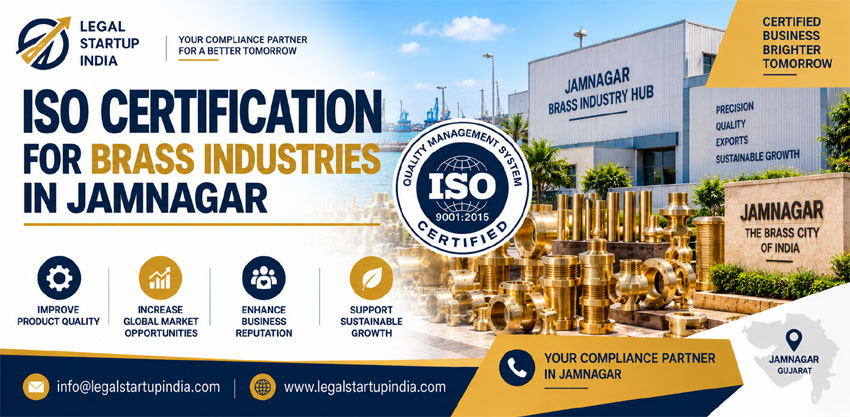 ISO Certification for Brass Industries in Jamnagar
  ISO Certification for Ceramic Manufacturers in Morbi
  ISO Certification for Chemical Industries in Ankleshwar
  ISO Certification in Odhav GIDC
  ISO Certification in Jamnagar
  ISO Certification in Morbi
  ISO Certification in Vapi
  ISO Certification in Ankleshwar
  ISO Certification in Bharuch
 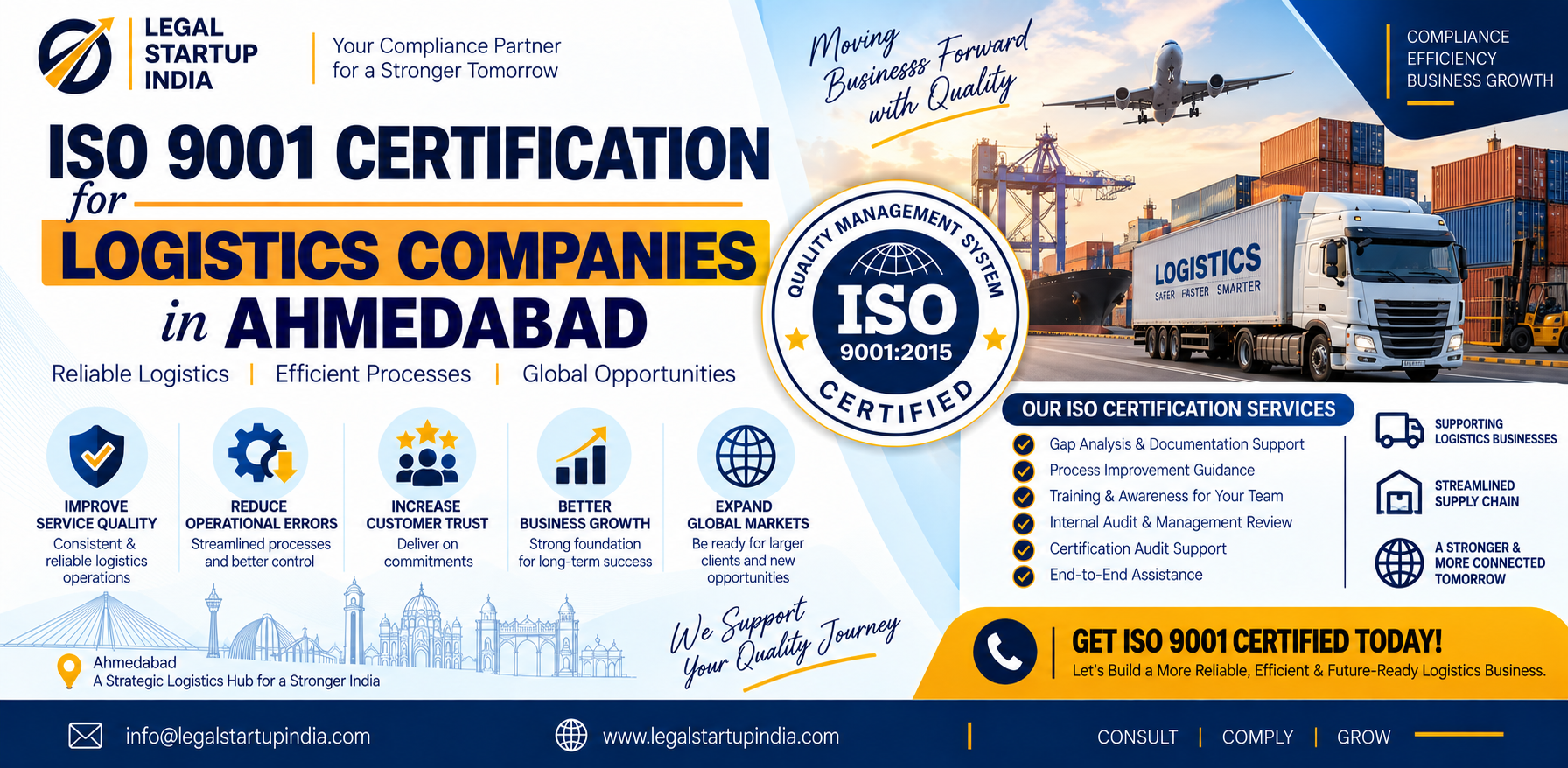 ISO 9001 Certification for Logistics Companies in Ahmedabad