
 25 Feb 2026
Admin ISO
51 Comment
25 Feb 2026
Admin ISO
51 Comment
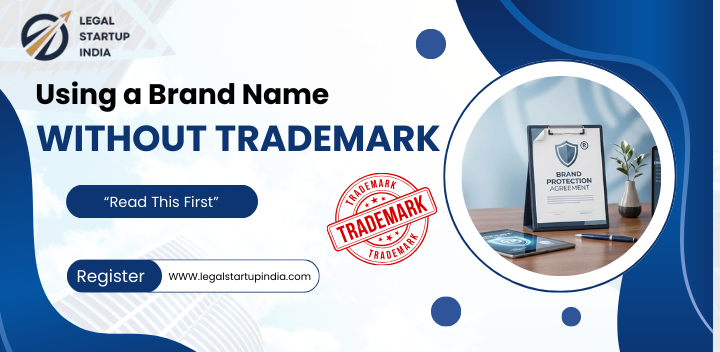
Using a Brand Name Without Trademark Read This First
Introduction
Launching a business or product with a unique brand name feels exciting — but many entrepreneurs overlook one critical legal step: trademark registration. In India, thousands of startups and small businesses begin operations using a brand name without trademark protection, assuming they can secure it later. Unfortunately, this delay can lead to serious legal trouble, brand loss, or expensive rebranding.
If you are using or planning to use a business name, logo, or tagline, understanding the risks is essential. Trademark law in India follows a “first to file” principle, meaning someone else can legally register your brand if you don’t act quickly. This guide explains the real risks, benefits of trademark registration, process, costs, and how to protect your brand effectively.
By the end of this article, you will know exactly why early trademark registration is one of the smartest investments for your business.
What Does Using a Brand Name Without Trademark Mean?
Using a brand name without trademark means operating your business identity without registering it under the Trade Marks Act, 1999. While you may still use the name in the market, your legal ownership remains weak.
Many business owners mistakenly believe that:
-
Company registration protects the brand
-
Domain purchase secures ownership
-
Using ™ gives full rights
However, only a registered trademark provides strong nationwide legal protection.
Is It Legal to Use a Brand Name Without Trademark in India?
Yes, it is legally allowed to use a brand name without trademark registration. However, it is highly risky.
You may get limited common law rights based on prior use, but enforcing those rights in court is difficult, time-consuming, and expensive. If another party registers a similar trademark, they may gain stronger legal standing.
Key takeaway: Legal use is possible, but protection is weak.
Major Risks of Using an Unregistered Brand Name
1. Risk of Trademark Infringement Notice
If someone else already owns a registered trademark similar to your brand, you may receive a legal notice demanding that you stop using the name. This can happen even if you started your business earlier.
2. Forced Rebranding
Rebranding is one of the biggest financial and reputational risks. You may need to change:
-
Website and domain
-
Product packaging
-
Marketing materials
-
Social media handles
This can cost significant time and money while also confusing customers.
3. No Exclusive Ownership Rights
Without trademark registration:
-
Competitors can copy your brand
-
You cannot claim exclusive nationwide rights
-
Legal protection remains limited
This weakens your brand value in the long run.
4. Problems with Online Marketplaces
Platforms like Amazon Brand Registry often require trademark proof. Without registration, you may face:
-
Listing restrictions
-
Brand protection issues
-
Difficulty removing counterfeit sellers
5. Investor and Franchise Concerns
Investors and franchise partners prefer businesses with protected intellectual property. Lack of trademark registration may reduce your business credibility during funding or expansion.
Benefits of Trademark Registration in India
Registering your trademark provides strong legal and commercial advantages.
Key Benefits
-
✅ Exclusive rights over brand name
-
✅ Legal protection across India
-
✅ Right to use ® symbol
-
✅ Prevents brand copying
-
✅ Builds customer trust
-
✅ Valuable intangible asset
-
✅ Easier business expansion
For growing businesses, trademark registration is a strategic necessity, not just a legal formality.
Who Should Apply for Trademark Registration?
You should consider trademark registration if you are:
-
Startup founder
-
Small business owner
-
E-commerce seller
-
Manufacturer
-
Service provider
-
Freelancer building a brand
-
NGO or educational institution
Pro Tip: File your trademark application before or immediately after launching your brand.
Documents Required for Trademark Registration
Preparing the correct documents helps speed up the process.
For Individuals / Proprietors
-
PAN card
-
Aadhaar card
-
Brand name or logo
-
Address proof
For Companies / LLPs
-
Certificate of Incorporation
-
Company PAN
-
Logo (if available)
-
Authorized signatory details
Optional Documents
-
MSME/Udyam certificate (for reduced fees)
-
Power of attorney (if filing through consultant)
Step-by-Step Trademark Registration Process
Step 1: Trademark Availability Search
A professional search checks whether your brand name is unique and available. This reduces the chance of objection.
Step 2: Filing the Trademark Application
The application is filed with the Trademark Registry with details such as:
-
Applicant information
-
Brand name/logo
-
Trademark class
-
Business description
After filing, you can start using the ™ symbol.
Step 3: Examination by the Department
The trademark office reviews the application for similarity and compliance. If issues arise, an objection notice may be issued.
Step 4: Journal Publication
If approved, the mark is published in the Trademark Journal for public opposition for 4 months.
Step 5: Trademark Registration Certificate
If no opposition is filed, the trademark gets registered and you receive exclusive rights to use the ® symbol.
Typical timeline: 6–12 months (may vary)
Trademark Registration Fees in India
Government Fees
-
Individual / MSME: ₹4,500 per class
-
Company / LLP: ₹9,000 per class
Professional Fees
Consultant charges vary depending on expertise and support level.
Tip: Choosing an experienced consultant reduces objection risk and delays.
Common Mistakes to Avoid
Many businesses face delays due to simple mistakes.
Avoid These Errors
-
❌ Skipping trademark search
-
❌ Choosing generic or descriptive names
-
❌ Filing under wrong trademark class
-
❌ Using copied logos
-
❌ Delaying application
Avoiding these improves approval chances significantly.
Why Choose Legal Startup India?
When it comes to protecting your brand, expert guidance makes a real difference. Legal Startup India offers end-to-end trademark registration services designed for startups, entrepreneurs, and growing businesses.
Our Key Advantages
-
✔ Expert trademark consultants
-
✔ Thorough availability search
-
✔ Quick and accurate filing
-
✔ Objection handling support
-
✔ Affordable pricing
-
✔ Pan-India online service
-
✔ Dedicated customer assistance
We focus on making trademark registration simple, fast, and legally secure.
FAQs
1. Can I legally use a brand name without trademark?
Yes, but your legal protection will be weak, and someone else may register the same name.
2. What happens if someone registers my brand name first?
They may gain exclusive rights, and you could be forced to stop using your brand.
3. Is trademark registration mandatory in India?
It is not mandatory but strongly recommended for brand protection.
4. How long does trademark registration take?
Usually 6–12 months if there is no objection or opposition.
5. Can I use ™ before trademark registration?
Yes, ™ can be used after filing the application, but ® is allowed only after registration.
Conclusion
Using a brand name without trademark protection may seem harmless initially, but it exposes your business to avoidable legal and financial risks. In today’s competitive environment, brand identity is one of your most valuable assets, and protecting it early can save you from major complications later.
Trademark registration gives you exclusive rights, builds credibility, and strengthens your business foundation. If you want a smooth and reliable process, the experts at Legal Startup India are ready to help you secure your brand with confidence.
Protect your brand today — before someone else claims it.
 ISO Certification for Brass Industries in Jamnagar
  ISO Certification for Ceramic Manufacturers in Morbi
  ISO Certification for Chemical Industries in Ankleshwar
  ISO Certification in Odhav GIDC
  ISO Certification in Jamnagar
  ISO Certification in Morbi
  ISO Certification in Vapi
  ISO Certification in Ankleshwar
  ISO Certification in Bharuch
  ISO 9001 Certification for Logistics Companies in Ahmedabad