
 14 Nov 2026
Admin ISO
51 Comment
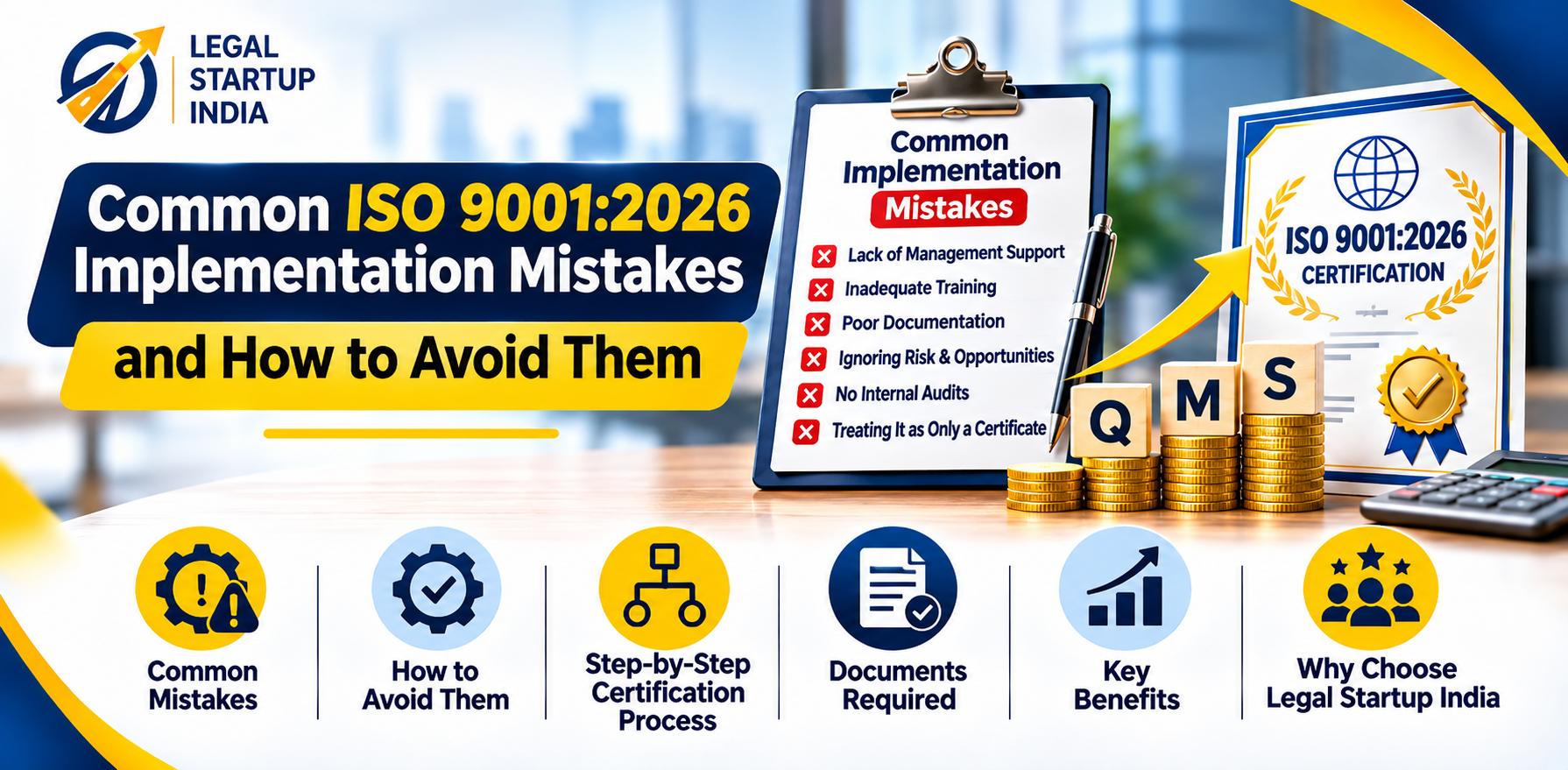
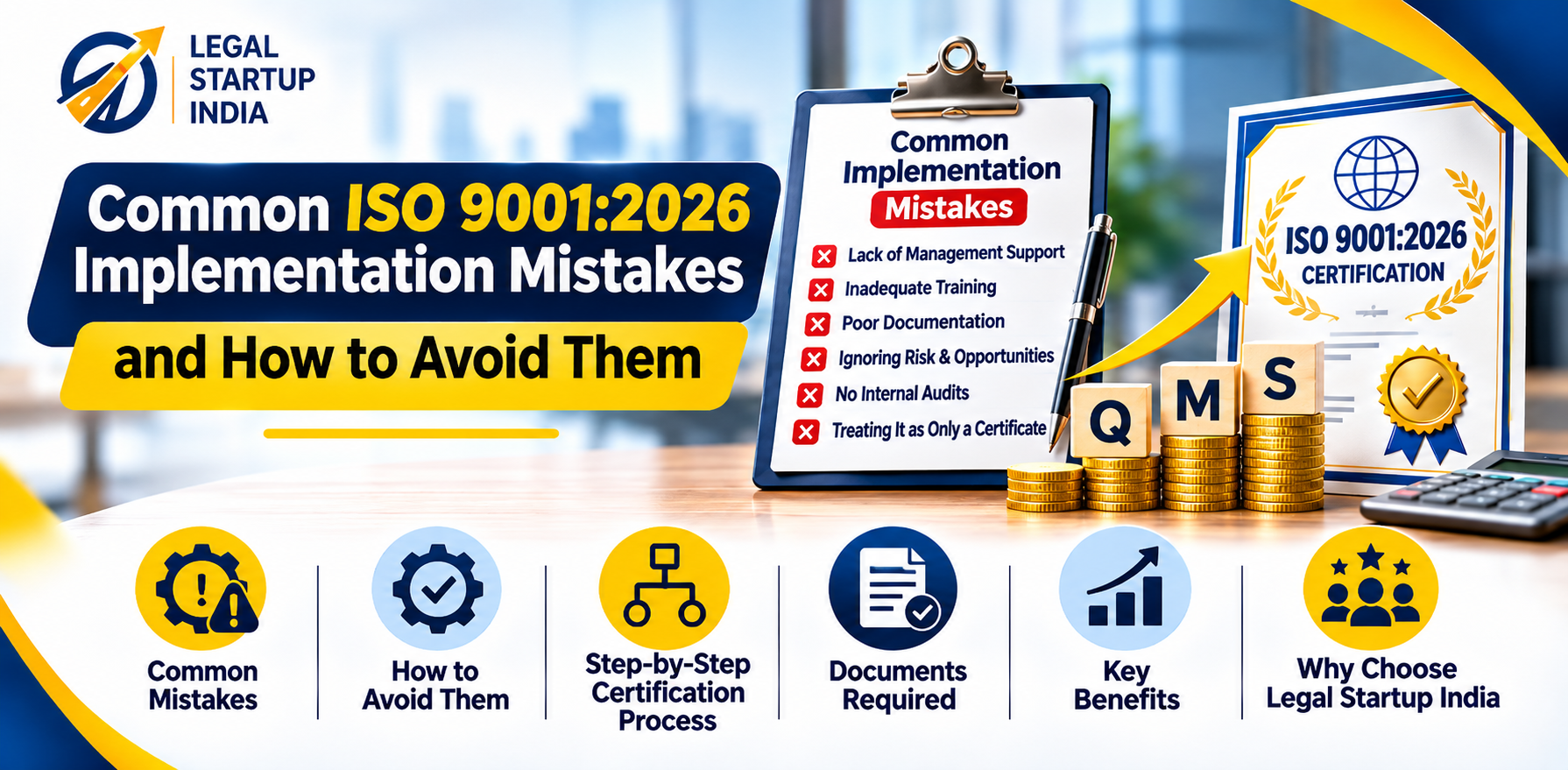
Common ISO 9001 2026 Implementation Mistakes and How to Avoid Them
Introduction
Implementing an effective Quality Management System (QMS) is an important step for businesses that want to improve product quality, customer satisfaction and operational efficiency. However, obtaining ISO certification is not simply about preparing documents and passing an audit. It requires businesses to establish practical processes that support their daily operations.
With the release of ISO 9001:2026 on 16 September 2026, Indian businesses need to understand the updated quality management requirements and prepare their systems accordingly. The revised standard places greater emphasis on leadership, quality culture, accountability, and understanding risks and opportunities.
ISO+1
Many companies make avoidable mistakes during ISO 9001:2026 implementation, particularly when they treat certification as a paperwork exercise rather than a business improvement process.
For example, a manufacturing company in Delhi may prepare quality inspection records only before an audit. However, if employees do not follow those inspection procedures during actual production, the company may struggle to demonstrate that its QMS is effective.
In this article, we explain the most common ISO 9001:2026 implementation mistakes, practical ways to avoid them, key certification benefits, the certification process and the documents Indian businesses should prepare.
Common ISO 9001:2026 Implementation Mistakes and How to Avoid Them
1. Implementing ISO 9001 Only to Obtain a Certificate
One of the biggest mistakes is treating ISO certification as a formality. Some businesses focus only on receiving a certificate without improving their internal processes.
How to avoid it: Implement quality procedures that employees can follow in their daily work. Set measurable quality objectives, monitor performance and regularly review customer feedback.
2. Poor Understanding of ISO 9001:2026 Requirements
Businesses sometimes continue using old procedures without checking whether they address the updated standard. This can create gaps in leadership responsibilities, quality culture and risk management.
How to avoid it: Study the ISO 9001:2026 requirements and compare them with your existing QMS. Conduct a proper gap analysis before making changes.
3. Preparing Unnecessary Documentation
Another common ISO 9001:2026 implementation mistake is creating excessive paperwork. Some companies prepare lengthy quality manuals and procedures that employees rarely use.
For example, a small packaging manufacturer may create multiple approval registers even when a simple production inspection record would provide sufficient evidence.
How to avoid it: Maintain clear, relevant and controlled documented information. Prepare only the documents and records necessary for your processes and applicable requirements.
4. Lack of Employee Training and Awareness
ISO implementation cannot succeed when only the quality manager understands the system. Production workers, supervisors, sales teams and other employees must understand their responsibilities.
How to avoid it: Conduct regular awareness sessions and job-specific training. Explain how each employee contributes to product quality and customer satisfaction.
5. Ignoring Risk and Opportunity Management
Businesses often identify risks only when something goes wrong. However, effective quality management requires a proactive approach.
For example, an Indian automobile component manufacturer may depend on a single raw material supplier. A delay in supply could affect production schedules and customer deliveries.
How to avoid it: Identify operational risks, supplier-related problems, customer expectations and improvement opportunities. Assign responsibility and monitor appropriate actions.
6. Not Conducting Regular Internal Audits
Some organizations perform internal audits only shortly before the external certification audit. This reduces the opportunity to identify and correct problems.
How to avoid it: Prepare an internal audit schedule covering all relevant departments and processes. Record findings, investigate root causes and verify corrective actions.
7. Lack of Management Involvement
ISO 9001 implementation often becomes the responsibility of one quality officer. When senior management does not participate, employees may not take the system seriously.
How to avoid it: Top management should establish quality objectives, provide resources, review performance and demonstrate leadership throughout implementation.
8. Choosing the Wrong Certification Body
Selecting a certification body only because it offers the lowest price can create problems later. Businesses should consider accreditation, industry competence and audit credibility.
How to avoid it: Verify the certification body's accreditation and relevant scope. Understand its audit arrangements, certification decision process and surveillance requirements before proceeding.
Key Benefits of Proper ISO 9001:2026 Implementation
When implemented correctly, ISO 9001:2026 can help businesses establish a stronger quality management framework.
Key benefits include:
-
Improved product and service quality: Standardized processes help reduce errors and maintain consistent output.
-
Higher customer satisfaction: Effective complaint handling and quality controls improve customer confidence.
-
Better operational efficiency: Businesses can identify unnecessary activities, reduce waste and improve productivity.
-
Stronger risk management: Early identification of potential problems supports better business decisions.
-
Improved employee accountability: Clearly defined responsibilities help employees understand their roles.
-
Better business opportunities: ISO certification can strengthen credibility when dealing with customers, suppliers and tender requirements.
These benefits depend on effective implementation rather than simply holding an ISO certificate.
Step-by-Step ISO 9001:2026 Certification Process in India
Businesses can follow these steps to implement their QMS and obtain certification.
-
Understand the requirements: Review ISO 9001:2026 and identify the requirements applicable to your business activities.
-
Conduct a gap analysis: Compare existing processes with the standard and identify areas requiring improvement.
-
Prepare QMS documentation: Develop relevant quality policies, procedures, process controls and records.
-
Implement the system: Apply documented procedures across relevant departments and train employees.
-
Conduct an internal audit: Evaluate whether the QMS is properly implemented and identify nonconformities.
-
Perform management review: Management should review audit results, quality objectives, customer feedback and improvement requirements.
-
Complete the certification audit: An independent certification body assesses the organization's QMS against the applicable standard.
-
Receive certification: After successful completion of the certification process and closure of applicable audit findings, the certification body makes its certification decision.
Certification is not issued by ISO itself. It is provided by an independent certification body.
ISO+1
Documents Required for ISO 9001:2026 Certification
The documentation required depends on the organization's size, activities and operational complexity. Commonly maintained documents and records include:
-
Business registration certificate or incorporation documents.
-
Company address and contact details.
-
Scope of the Quality Management System.
-
Quality policy and measurable quality objectives.
-
Process flowcharts and operational procedures.
-
Employee roles and responsibilities.
-
Employee training and competency records.
-
Supplier evaluation and monitoring records.
-
Production or service delivery records.
-
Inspection and testing reports, where applicable.
-
Customer feedback and complaint records.
-
Risk and opportunity assessment.
-
Internal audit reports.
-
Management review meeting records.
-
Nonconformity and corrective action records.
-
Equipment maintenance and calibration records, where applicable.
Important: ISO 9001:2026 does not require every organization to maintain an identical set of documents. Documentation should reflect actual business operations and applicable requirements.
Why Choose Legal Startup India for ISO 9001:2026 Certification?
Choosing the right consultancy can make the ISO certification journey easier and more organized. Legal Startup India supports businesses with ISO certification guidance and documentation assistance.
Here is how our team can help:
-
Professional Guidance: Understand the applicable ISO 9001:2026 requirements for your business.
-
Gap Analysis Support: Identify areas where your existing quality management system needs improvement.
-
Documentation Assistance: Get support in preparing relevant QMS policies, procedures and records.
-
Certification Process Support: Receive guidance throughout the certification process.
-
Internal Audit Guidance: Understand audit requirements and prepare your organization for assessment.
-
Ongoing Assistance: Get support with certification-related queries and compliance requirements.
Whether you operate a manufacturing unit, trading company, consultancy or service-based organization, our team can help you understand the ISO certification process.
Learn more about our ISO 9001:2026 Certification Services.
Documents and Preparation for Existing ISO 9001:2015 Certified Businesses
Businesses already certified under ISO 9001:2015 should not assume that they need to rebuild their entire quality management system.
Instead, they should:
-
Review the differences between ISO 9001:2015 and ISO 9001:2026.
-
Evaluate their existing quality policies and procedures.
-
Identify gaps in leadership, quality culture and risk management.
-
Update relevant documentation and operational controls.
-
Train employees about applicable changes.
-
Coordinate the transition audit with their certification body.
According to the published transition requirements, organizations certified to ISO 9001:2015 have until 30 September 2029 to complete their transition to ISO 9001:2026. Businesses should discuss their individual transition schedule with their certification body.
ISO+1
Frequently Asked Questions (FAQs)
1. What are the most common ISO 9001:2026 implementation mistakes?
The most common mistakes include poor understanding of standard requirements, excessive documentation, inadequate employee training, weak risk management, irregular internal audits and insufficient management involvement.
2. Is ISO 9001:2026 certification mandatory in India?
No. ISO 9001:2026 certification is generally voluntary in India. However, some customers, tenders and business contracts may require organizations to hold valid ISO certification.
3. What documents are required for ISO 9001:2026 certification?
Common documents include business registration details, quality policy, quality objectives, process procedures, risk assessments, training records, supplier evaluation records, internal audit reports and management review records.
4. How long does ISO 9001:2026 implementation take?
The implementation timeline depends on business size, operational complexity, existing processes and documentation readiness. Smaller organizations with established processes may complete implementation sooner than organizations with multiple departments or locations.
5. Can an existing ISO 9001:2015 certificate be upgraded to ISO 9001:2026?
Yes. Organizations holding ISO 9001:2015 certification can transition to ISO 9001:2026 through the applicable transition assessment arranged with their certification body. They do not generally need to restart the entire implementation process.
Conclusion
Avoiding common ISO 9001:2026 implementation mistakes is essential for building a reliable and effective Quality Management System. Businesses should focus on practical process improvements, employee awareness, management involvement, proper documentation and regular performance evaluation.
For Indian manufacturers, startups, traders and service providers, implementing ISO 9001:2026 can be an opportunity to improve business operations and strengthen customer confidence.
However, successful certification begins with understanding your business requirements and preparing the right QMS.
Looking for professional assistance with ISO 9001:2026 certification in India?
Legal Startup India can guide you through the implementation, documentation and certification process.
Contact Legal Startup India
-
Email: info@legalstartupindia.com
-
Website: www.legalstartupindia.com
-
Phone: +91 93199 58655
Get in touch with our team today to discuss your ISO 9001:2026 certification requirements and take the next step towards better quality management.
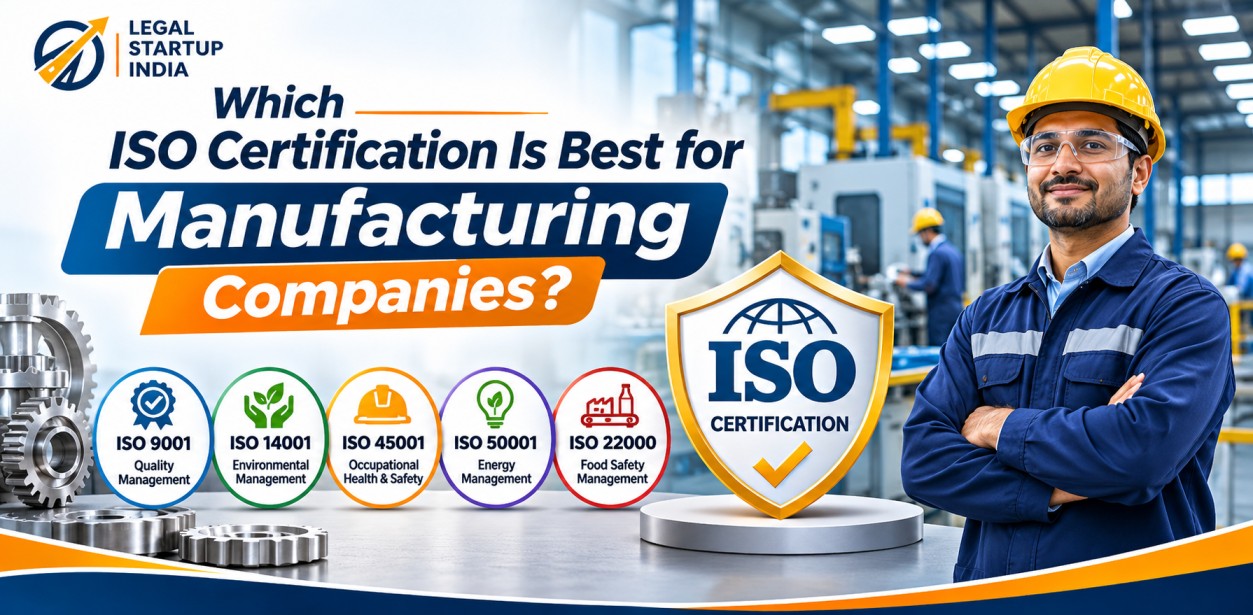 Which ISO Certification Is Best for Manufacturing Companies
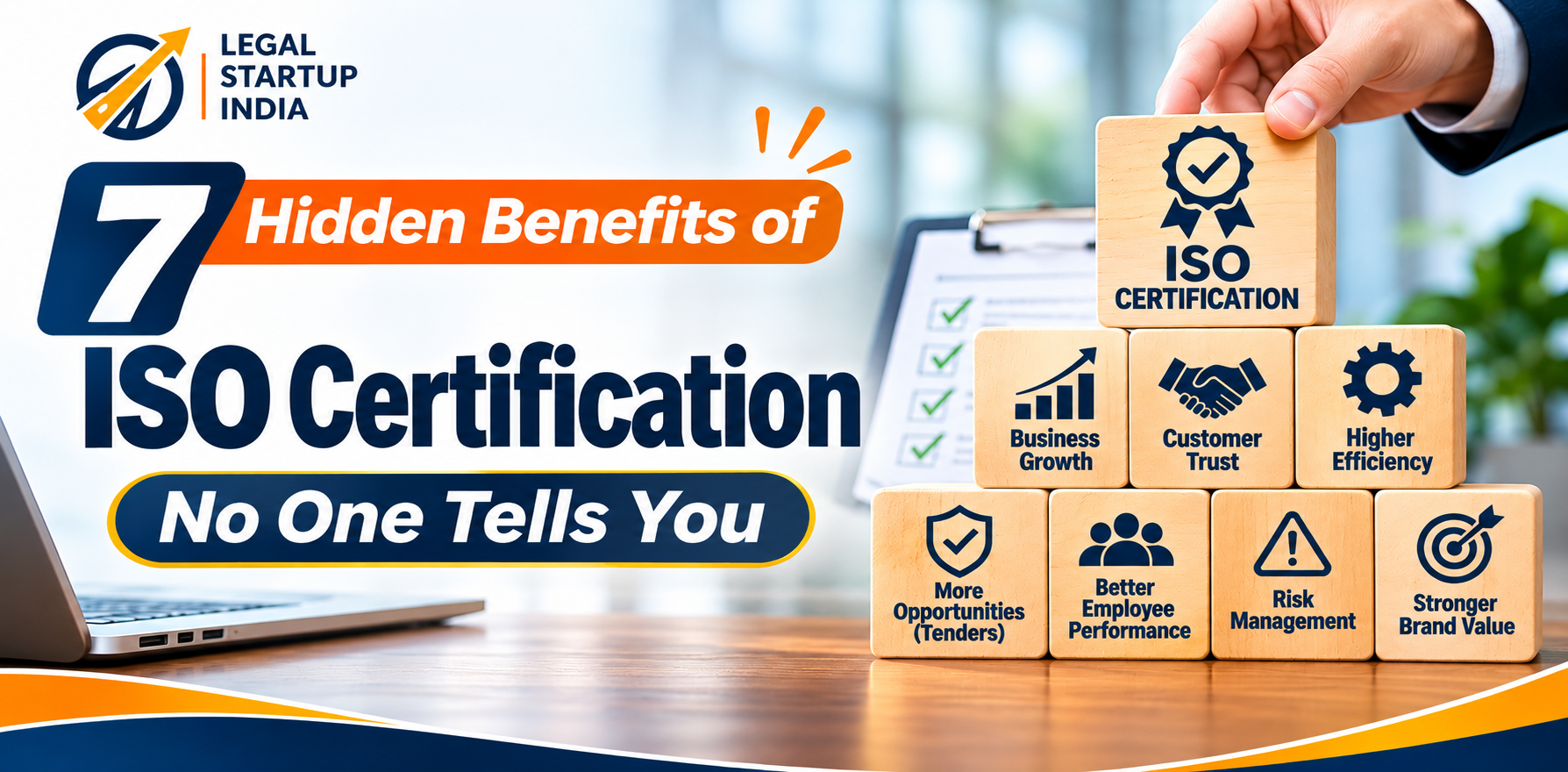 7 Hidden Benefits of ISO Certification No One Tells You
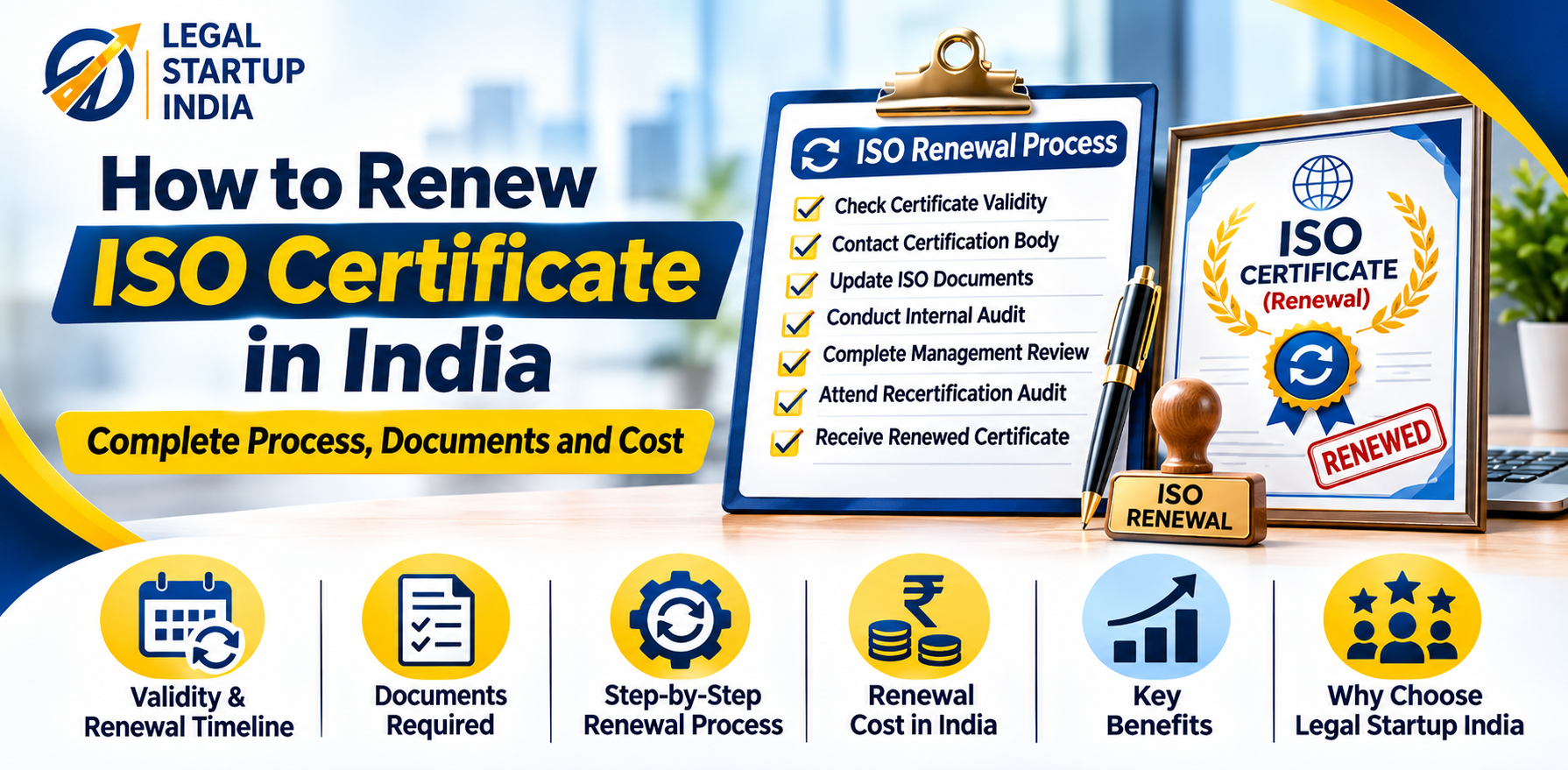 How to Renew ISO Certificate in India
 Common ISO 9001 2026 Implementation Mistakes and How to Avoid Them
 ISO Certification for Export Businesses in India Standards Benefits and Process
 How to Choose the Right ISO Certification Body in India A Business Owners Guide
 Is ISO Certification Mandatory in India Rules Benefits and Industry Requirements
 ISO Certification Cost in India 2027 Fees Audit Charges and Complete Breakdown
 ISO 9001 2026 vs ISO 9001 2015 Key Differences Changes and Transition Guide
 ISO 9001 2026 vs ISO 9001 2015 What Has Changed