
 21 Nov 2026
Admin ISO
51 Comment
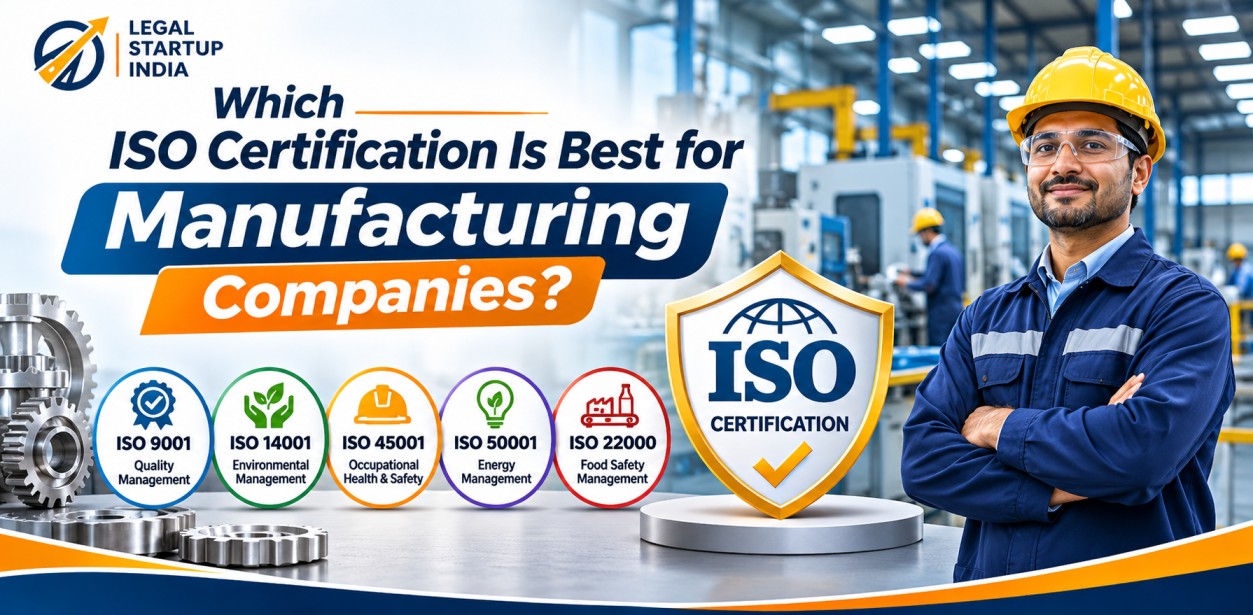
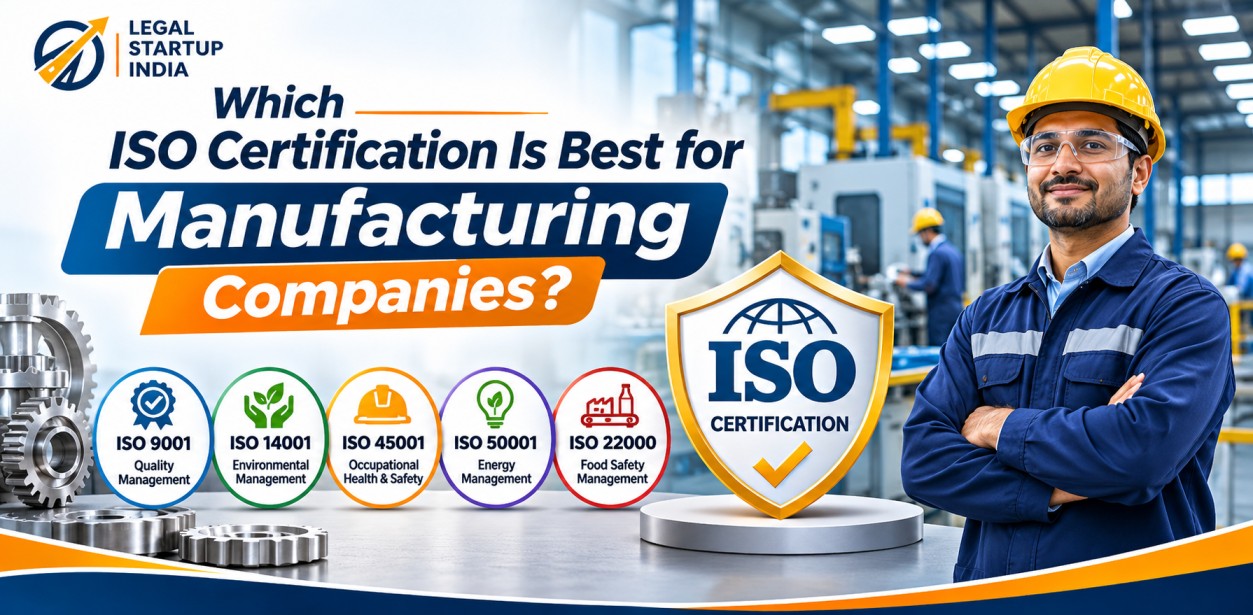
Which ISO Certification Is Best for Manufacturing Companies
Introduction
Manufacturing companies operate in a competitive environment where product quality, production efficiency, workplace safety and customer satisfaction directly influence business growth. Whether you manufacture automobile components, electrical equipment, textiles, machinery, chemicals, food products or industrial materials, maintaining consistent standards is essential.
However, many manufacturers face common challenges, including product defects, production delays, material wastage, workplace accidents and customer complaints. These problems can affect profitability and damage business relationships.
This is where ISO certification becomes valuable.
So, which ISO certification is best for manufacturing companies?
ISO 9001 is generally the best starting point because it establishes a Quality Management System (QMS) that helps manufacturers maintain consistent product quality and improve operational processes.
However, depending on the nature of manufacturing activities, companies may also benefit from ISO 14001, ISO 45001, ISO 50001, ISO 22000 or ISO 13485.
The right choice depends on your industry, business objectives, customer requirements and operational risks.
Which ISO Certifications Are Best for Manufacturing Companies?
Different ISO standards address different manufacturing requirements. Here are the most relevant certifications for Indian manufacturing businesses.
1. ISO 9001 – Quality Management System
ISO 9001 is one of the most widely recognized certifications for manufacturing companies.
It helps businesses establish systematic procedures for production planning, quality inspection, supplier management, customer satisfaction and continuous improvement.
Key benefits:
-
Improves product quality and consistency.
-
Reduces production errors and customer complaints.
-
Strengthens supplier and inventory management.
-
Improves customer confidence.
-
Supports participation in eligible tenders and supplier opportunities.
Example: An automobile component manufacturer in Pune can implement ISO 9001 to standardize raw material inspection, machining operations, product testing and final dispatch procedures.
2. ISO 14001 – Environmental Management System
Manufacturing activities can generate wastewater, industrial emissions, solid waste and other environmental impacts.
ISO 14001 helps companies identify, control and monitor their environmental responsibilities.
Key benefits:
-
Improves environmental performance.
-
Helps manage waste and resource consumption.
-
Supports environmental risk management.
-
Strengthens environmental responsibility.
-
Improves confidence among environmentally conscious customers.
Example: A chemical manufacturing unit in Gujarat can use ISO 14001 to establish better procedures for waste segregation, pollution control and environmental monitoring.
3. ISO 45001 – Occupational Health and Safety Management System
Factories involve machinery, electrical equipment, chemicals, heavy materials and other workplace hazards.
ISO 45001 helps organizations identify occupational health and safety risks and establish controls to prevent workplace injuries and illnesses.
Key benefits:
-
Improves employee safety.
-
Identifies workplace hazards.
-
Reduces accident-related risks.
-
Encourages employee safety training.
-
Establishes systematic incident reporting and corrective actions.
Example: A steel manufacturing company in Haryana can implement ISO 45001 to improve machine safety, emergency preparedness, protective equipment usage and employee training.
4. ISO 50001 – Energy Management System
Energy consumption is a major operating expense for many manufacturing businesses.
ISO 50001 helps organizations monitor energy usage, identify inefficiencies and improve energy performance.
Key benefits:
-
Helps reduce unnecessary energy consumption.
-
Improves energy monitoring.
-
Identifies opportunities for operational savings.
-
Supports better energy planning.
-
Encourages continual improvement in energy performance.
It is particularly useful for steel, textile, cement, chemical and other energy-intensive manufacturing industries.
5. ISO 22000 – Food Safety Management System
ISO 22000 is relevant to companies involved in food manufacturing, processing, packaging and related activities within the food chain.
It establishes a food safety management system covering hazard control, operational processes and food safety communication.
Key benefits:
-
Strengthens food safety management.
-
Improves production hygiene and controls.
-
Supports traceability.
-
Helps manage food safety hazards.
-
Builds confidence among buyers and business partners.
6. ISO 13485 – Medical Device Quality Management System
Companies manufacturing medical devices, surgical instruments, diagnostic equipment and related products may require ISO 13485.
This standard focuses on quality management systems for medical device organizations, including applicable regulatory and product safety requirements.
Key benefits:
-
Strengthens medical device quality controls.
-
Improves documentation and traceability.
-
Supports risk-based quality management.
-
Helps manage production consistency.
-
Supports applicable regulatory and customer requirements.
7. IATF 16949 – Automotive Quality Management
Automotive manufacturers and suppliers serving the automotive industry should also consider IATF 16949.
It is an automotive-sector quality management standard built around ISO 9001 principles, with additional automotive-specific requirements.
It focuses on defect prevention, supply-chain quality, process consistency and continual improvement.
Automotive suppliers should check their customers' specific certification and approval requirements before selecting a certification route.
Quick Comparison: Which ISO Certification Should You Choose?
| Manufacturing Business | Recommended Standard |
|---|---|
| General manufacturing | ISO 9001 |
| Automobile components | ISO 9001 / IATF 16949 |
| Chemical manufacturing | ISO 9001 + ISO 14001 |
| Steel and engineering | ISO 9001 + ISO 45001 |
| Food manufacturing | ISO 22000 |
| Medical equipment | ISO 13485 |
| Textile manufacturing | ISO 9001 + ISO 14001 |
| Energy-intensive factories | ISO 50001 |
| Large industrial facilities | ISO 9001 + ISO 14001 + ISO 45001 |
Important: These are general recommendations. The final selection should be based on the company's actual activities, customer contracts, regulatory obligations and certification scope.
Why Choose Legal Startup India for ISO Certification?
Selecting the correct ISO standard and preparing for certification can be challenging, particularly for manufacturers managing multiple production departments.
Legal Startup India helps businesses understand the applicable certification requirements and organize the certification preparation process.
Our support includes:
-
Standard Selection: Guidance on choosing an appropriate ISO certification according to your manufacturing activities.
-
Documentation Assistance: Help preparing relevant policies, procedures, registers and records.
-
Gap Assessment: Identifying areas that need improvement before the certification audit.
-
Implementation Guidance: Assistance in establishing practical quality and management procedures.
-
Audit Preparation: Support with internal audit preparation, management review and corrective actions.
-
Certification Guidance: Assistance in understanding certification requirements and coordinating the next steps.
Our objective is to make ISO certification easier to understand while helping manufacturers establish management systems that support their actual business operations.
Key Benefits of ISO Certification for Manufacturing Companies
Obtaining the right ISO certification can provide several long-term business advantages.
1. Better Product Quality
Standardized production and inspection procedures help manufacturers maintain consistent product quality.
2. Reduced Operational Costs
Identifying production errors, material wastage and inefficient processes can help reduce avoidable expenses.
3. Improved Customer Confidence
ISO certification provides independent evidence that the company's management system meets the requirements of the selected standard.
4. Better Business Opportunities
Certain corporate buyers, supply chains and government tenders require specific ISO certifications as part of their supplier qualification criteria.
5. Improved Employee Safety
ISO 45001 encourages systematic identification and control of workplace health and safety risks.
6. Stronger Environmental Responsibility
ISO 14001 helps manufacturers manage environmental impacts and improve environmental performance.
7. Better International Business Readiness
Relevant ISO certifications can help manufacturers demonstrate structured business practices when dealing with international customers and suppliers.
Step-by-Step ISO Certification Process for Manufacturing Companies
The certification process generally involves the following steps:
Step 1: Identify the Appropriate ISO Standard
Select the standard according to your manufacturing activities, customer expectations and business objectives.
Step 2: Define the Certification Scope
Identify the manufacturing unit, locations, departments and activities that will be covered by the certification.
Step 3: Conduct a Gap Assessment
Review existing processes and compare them with the requirements of the selected ISO standard.
Step 4: Prepare Required Documentation
Develop the necessary policies, procedures, quality records, operational controls and other applicable documents.
Step 5: Implement the Management System
Introduce the required procedures into daily operations and ensure employees understand their responsibilities.
Step 6: Conduct an Internal Audit
Review the implemented system to identify nonconformities and areas requiring improvement.
Step 7: Management Review
Management evaluates the system's performance, audit findings, objectives and improvement opportunities.
Step 8: External Certification Audit
An independent certification body conducts the applicable audit to evaluate compliance with the selected ISO standard.
Step 9: Corrective Actions and Certification
If nonconformities are identified, the company must address them as required by the certification body's procedures. Certification is granted after the applicable requirements are satisfied and the certification decision is approved.
Documents Required for ISO Certification in Manufacturing Companies
The exact documentation depends on the selected ISO standard, company size, production activities and certification scope.
Generally, manufacturers may need the following:
-
Company registration certificate or incorporation documents.
-
PAN card of the business.
-
GST registration certificate, where applicable.
-
Factory address and operational details.
-
Organizational structure and employee details.
-
Manufacturing process flowchart.
-
Quality policy and applicable management policies.
-
Standard operating procedures (SOPs).
-
Raw material inspection and supplier evaluation records.
-
Production and quality inspection records.
-
Machinery and equipment maintenance records.
-
Employee training and competency records.
-
Internal audit reports.
-
Management review records.
-
Corrective action and nonconformity records.
Additional documents may be required for environmental management, workplace safety, food safety, energy management or medical device manufacturing.
Manufacturers should maintain genuine operational records rather than preparing paperwork only for the certification audit.
Frequently Asked Questions (FAQs)
1. Which ISO certification is best for manufacturing companies?
ISO 9001 is generally the best starting point for manufacturing companies because it focuses on product quality, production control, customer satisfaction and process improvement. Other standards, such as ISO 14001, ISO 45001 and ISO 50001, can be added according to business requirements.
2. Is ISO 9001 certification mandatory for manufacturing companies in India?
No. ISO 9001 certification is generally voluntary in India. However, certain government tenders, customer contracts and supplier qualification requirements may make it necessary for particular business opportunities.
3. Can a small manufacturing company apply for ISO certification?
Yes. ISO management system standards can be applied to businesses of different sizes. Small manufacturing units and MSMEs can also obtain certification if they establish and implement the applicable management system requirements.
4. What documents are required for ISO certification in a manufacturing company?
Common documents include company registration details, PAN, GST information where applicable, manufacturing process details, quality policies, SOPs, inspection records, employee training records, internal audit reports and management review records. Additional documents depend on the selected ISO standard.
5. Can a manufacturing company obtain multiple ISO certifications?
Yes. A manufacturing company can implement multiple management systems, such as ISO 9001, ISO 14001 and ISO 45001. These can be integrated into one management system where practical because the standards share a common management-system structure.
Conclusion
Choosing the right ISO certification is an important decision for every manufacturing business. While ISO 9001 is generally the most suitable starting point, companies should also consider ISO 14001, ISO 45001, ISO 50001 and other industry-specific standards according to their operational requirements.
The real benefit of ISO certification comes from improving everyday manufacturing practices, maintaining consistent quality, controlling risks and building customer confidence.
If you are planning to obtain ISO certification for your manufacturing company in India, Legal Startup India can help you understand the suitable standard, documentation requirements and certification preparation process.
Contact Legal Startup India Today
Get professional guidance to choose the right ISO certification for your manufacturing business.
-
Email: info@legalstartupindia.com
-
Website: www.legalstartupindia.com
Contact our team today to discuss your manufacturing activities and take the next step towards a more reliable, efficient and internationally competitive business.
 Which ISO Certification Is Best for Manufacturing Companies
 7 Hidden Benefits of ISO Certification No One Tells You
 How to Renew ISO Certificate in India
 Common ISO 9001 2026 Implementation Mistakes and How to Avoid Them
 ISO Certification for Export Businesses in India Standards Benefits and Process
 How to Choose the Right ISO Certification Body in India A Business Owners Guide
 Is ISO Certification Mandatory in India Rules Benefits and Industry Requirements
 ISO Certification Cost in India 2027 Fees Audit Charges and Complete Breakdown
 ISO 9001 2026 vs ISO 9001 2015 Key Differences Changes and Transition Guide
 ISO 9001 2026 vs ISO 9001 2015 What Has Changed