
 03 Nov 2026
Admin ISO
51 Comment
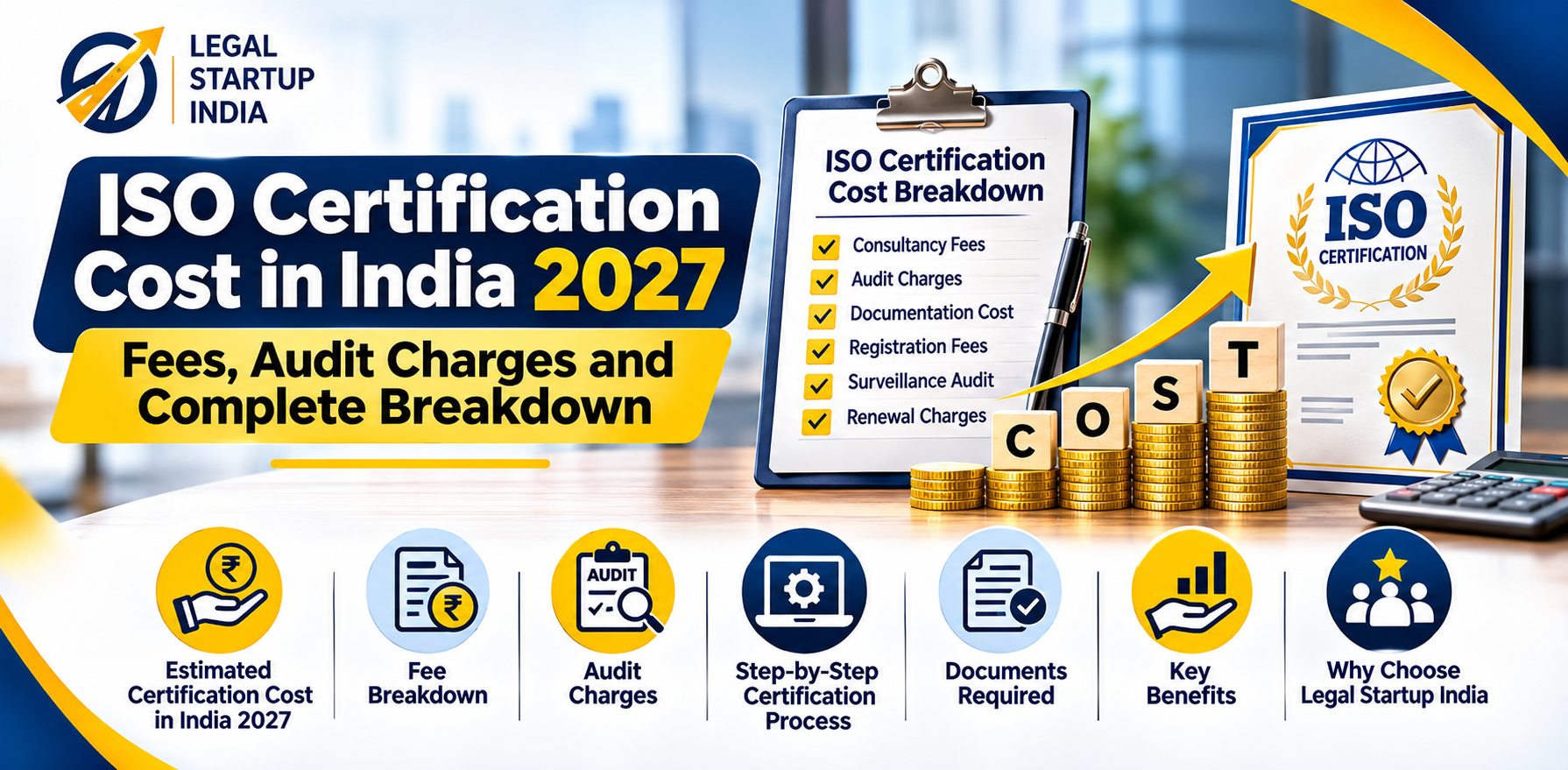
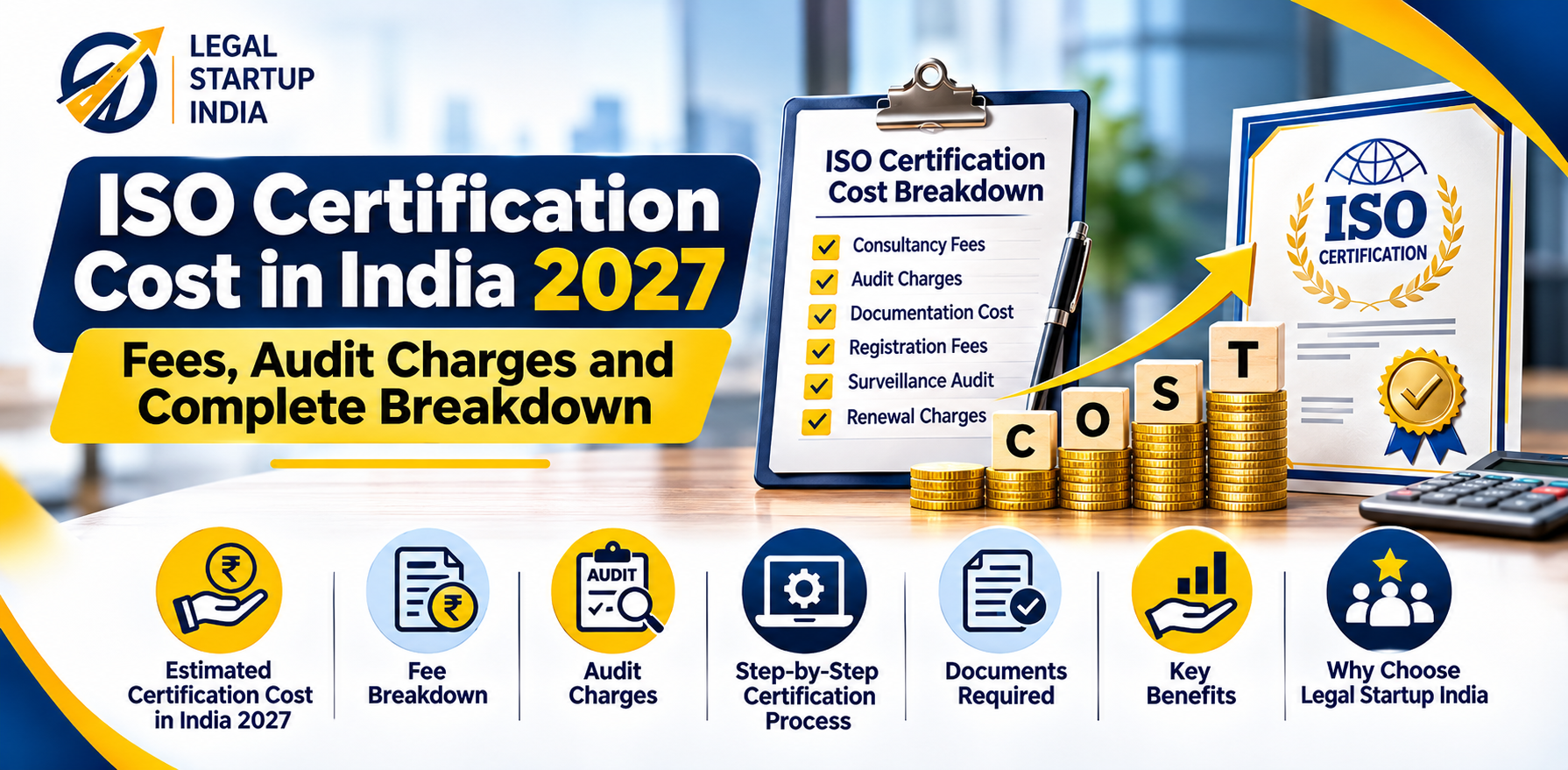
ISO Certification Cost in India 2027 Fees Audit Charges and Complete Breakdown
Introduction
Getting ISO certified is an important step for businesses that want to improve their credibility, build customer confidence and compete in the Indian and international markets. Whether you operate a manufacturing company, startup, trading business, IT firm or service organisation, ISO certification can help establish better management systems.
However, one question most business owners ask before applying is: What is the ISO certification cost in India in 2027?
The answer depends on several factors, including the ISO standard, number of employees, business activities, operating locations and certification body selected.
For example, a small Delhi-based trading company may require less documentation and audit time than a manufacturing unit with multiple production departments.
In this guide, we explain ISO certification cost in India 2027, including registration fees, consultancy charges, certification audit expenses, renewal costs and the documents required to get certified.
What Is the ISO Certification Cost in India 2027?
The estimated ISO certification cost in India in 2027 may range from approximately ₹30,000 to ₹75,000 for a small business, while medium-sized and large organisations may require a budget of ₹75,000 to ₹3,00,000 or more.
These are indicative budgeting ranges, not official ISO prices or guaranteed quotations. Actual costs depend on the standard, certification scope, audit duration and service arrangements.
Estimated ISO Certification Fees by Business Size
| Business Category | Typical Business Size | Estimated Cost |
|---|---|---|
| Startup / Micro Business | 1–25 employees | ₹30,000–₹75,000 |
| Small Business / MSME | 25–100 employees | ₹75,000–₹1,50,000 |
| Medium Business | 100–500 employees | ₹1,50,000–₹3,00,000 |
| Large Enterprise | 500+ employees | ₹3,00,000 onwards |
Note: These indicative ranges are general planning estimates for certification projects. They are not fixed prices applicable to every ISO standard. Confirm the scope and inclusions before accepting a quotation.
Complete Breakdown of ISO Certification Fees in India
Understanding the different charges helps businesses plan their certification budget and avoid unexpected expenses.
1. Application and Registration Fees
The certification body may charge an application or registration fee to initiate the certification process. It generally covers application processing and initial administrative activities.
2. Consultancy and Documentation Charges
Businesses that need professional assistance may require consultancy support for:
-
Identifying the appropriate ISO standard.
-
Conducting a gap analysis.
-
Preparing policies and procedures.
-
Developing required documentation.
-
Employee awareness and training.
-
Internal audit preparation.
The cost depends on the complexity of the management system and the level of assistance required.
3. Certification Audit Charges
An independent certification body evaluates whether your organisation meets the applicable ISO requirements.
For management system certification, the audit generally includes two stages:
-
Stage 1 Audit: Reviews documentation, scope and organisational readiness.
-
Stage 2 Audit: Evaluates the implementation and effectiveness of the management system.
Audit charges depend on audit duration, employee strength, locations and operational complexity.
4. Employee Training Charges
Employees should understand the relevant ISO requirements and their responsibilities. Training costs depend on the number of participants and the type of training required.
5. Annual Surveillance Audit Charges
ISO certification is not simply a one-time expense. Certification bodies conduct periodic surveillance audits to check whether the management system continues to meet the standard.
Businesses should include these recurring charges in their long-term certification budget.
6. Renewal and Recertification Charges
Management system certificates generally follow a three-year certification cycle, subject to successful surveillance and recertification audits.
At the end of the cycle, a recertification audit is required to continue certification.
Factors That Affect ISO Certification Cost in India
Not every organisation pays the same ISO certification fees. The following factors influence the final quotation.
Number of Employees
A company with 10 employees generally requires less audit time than an organisation with 150 employees. Employee strength is an important factor in determining certification audit duration.
Type of ISO Standard
Different standards have different requirements and implementation complexities.
Examples include:
-
ISO 9001 – Quality Management System.
-
ISO 14001 – Environmental Management System.
-
ISO 45001 – Occupational Health and Safety Management System.
-
ISO 22000 – Food Safety Management System.
-
ISO 27001 – Information Security Management System.
For example, an IT company implementing ISO 27001 may require additional information security controls, risk assessments and technical documentation.
Number of Business Locations
If a business operates multiple offices, warehouses or manufacturing facilities, the certification body may need additional audit time.
Business Activities and Complexity
A simple consultancy business generally has different audit requirements from a pharmaceutical manufacturer or engineering company.
Accreditation of the Certification Body
The credibility and recognition of the certification body matter. Businesses should verify the relevant accreditation and scope before selecting a provider.
A very cheap certificate without a meaningful independent audit may not be accepted by customers, government tenders or business partners.
Key Benefits of ISO Certification for Indian Businesses
ISO certification is not only about receiving a certificate. It can help organisations improve the way they operate.
Major benefits include:
-
Business credibility: Builds confidence among customers, suppliers and stakeholders.
-
Tender opportunities: Helps meet ISO-related eligibility requirements where specified in government and private tenders.
-
Better operational control: Encourages documented and consistent business processes.
-
Customer satisfaction: Helps organisations monitor feedback and improve service quality.
-
Reduced operational errors: Improves process monitoring and corrective action.
-
Market expansion: Supports businesses seeking international customers and supplier partnerships.
-
Improved employee awareness: Clarifies responsibilities and promotes consistent working practices.
Step-by-Step ISO Certification Process in India
Getting ISO certified becomes easier when the process is properly planned.
Step 1: Select the Right ISO Standard
Identify the certification that matches your business activities and customer requirements.
Step 2: Submit the Application
Share your organisation's basic details, business activities, employee strength and certification scope.
Step 3: Gap Analysis
Review existing business processes and identify areas that need improvement to meet the selected standard.
Step 4: Documentation Preparation
Prepare applicable policies, procedures, process records and other required documents.
Step 5: Implement the Management System
Introduce the required processes and make sure employees follow them in daily operations.
Step 6: Internal Audit
Conduct an internal assessment to identify non-conformities and correct issues before the external audit.
Step 7: Certification Audit
The independent certification body conducts the applicable audit stages and evaluates compliance.
Step 8: Certificate Issuance
After successful completion of the audit and closure of any required findings, the certification body can issue the ISO certificate.
Documents Required for ISO Certification
The required documents depend on the selected ISO standard and business activities.
Commonly requested documents include:
-
Company registration certificate.
-
PAN card of the organisation.
-
GST registration certificate, if applicable.
-
Business address proof.
-
Company profile and business activity details.
-
Employee details and organisational structure.
-
Quality or relevant management system policy.
-
Objectives and implementation plans.
-
Process procedures and work instructions, where applicable.
-
Risk assessment records.
-
Employee training and competency records.
-
Internal audit reports.
-
Management review records.
-
Corrective action and improvement records.
Not every organisation needs the same set of documents. Documentation should reflect the actual requirements of the applicable ISO standard.
Why Choose Legal Startup India for ISO Certification?
Selecting the right ISO certification support provider can help you understand the requirements, prepare documentation and manage the certification process more efficiently.
At Legal Startup India, we assist startups, MSMEs and established businesses with ISO certification requirements across different industries.
Our support includes:
-
Guidance in selecting the appropriate ISO standard.
-
Assistance with application and documentation.
-
Management system implementation guidance.
-
Internal audit and certification audit preparation.
-
Support for understanding certification requirements.
-
Assistance throughout the certification journey.
-
Guidance for businesses seeking recognised certification arrangements.
We believe businesses should understand what they are paying for. Our focus is on providing clear guidance, transparent service information and practical certification support.
Frequently Asked Questions (FAQs)
1. What is the minimum ISO certification cost in India in 2027?
The indicative starting budget for a small business may be around ₹30,000, depending on the ISO standard, certification scope, audit requirements and services included. The final quotation should be obtained after assessing the organisation.
2. What is the ISO 9001 certification cost in India?
ISO 9001 certification costs depend on employee strength, operational complexity, number of locations and consultancy requirements. A small single-location business may budget approximately ₹30,000–₹75,000, subject to the certification arrangements.
3. Are ISO certification fees the same for all ISO standards?
No. ISO 9001, ISO 14001, ISO 45001, ISO 22000 and ISO 27001 have different requirements. The implementation effort and audit duration can therefore affect the overall certification cost.
4. How much do ISO audit charges cost in India?
ISO audit charges vary according to audit duration, employee count, locations, certification standard and certification body. Stage 1, Stage 2 and subsequent surveillance audits should be clearly identified in the quotation.
5. How long does it take to get ISO certification in India?
A small business with prepared documentation may complete the process in approximately 3–6 weeks. Medium and large organisations may require 1–3 months or longer, depending on implementation readiness and audit scheduling.
Conclusion
Understanding the ISO certification cost in India 2027 helps business owners prepare a realistic budget and choose the right certification support.
The final price depends on the selected ISO standard, employee strength, documentation requirements, audit charges and certification body. Instead of selecting a provider only because it offers the lowest price, businesses should consider accreditation, audit transparency and long-term certification requirements.
Whether you are a startup, MSME, manufacturer, exporter or established company, the right ISO management system can strengthen business credibility and improve operational performance.
Get Affordable ISO Certification Assistance with Legal Startup India
Planning to obtain ISO certification in 2027? Let our team help you understand the applicable requirements, documentation and certification process.
Legal Startup India
Website: https://legalstartupindia.com/
Email: info@legalstartupindia.com
Contact our team today to discuss your business requirements and get guidance on ISO certification costs, applicable standards and the next steps towards certification.
 Which ISO Certification Is Best for Manufacturing Companies
 7 Hidden Benefits of ISO Certification No One Tells You
 How to Renew ISO Certificate in India
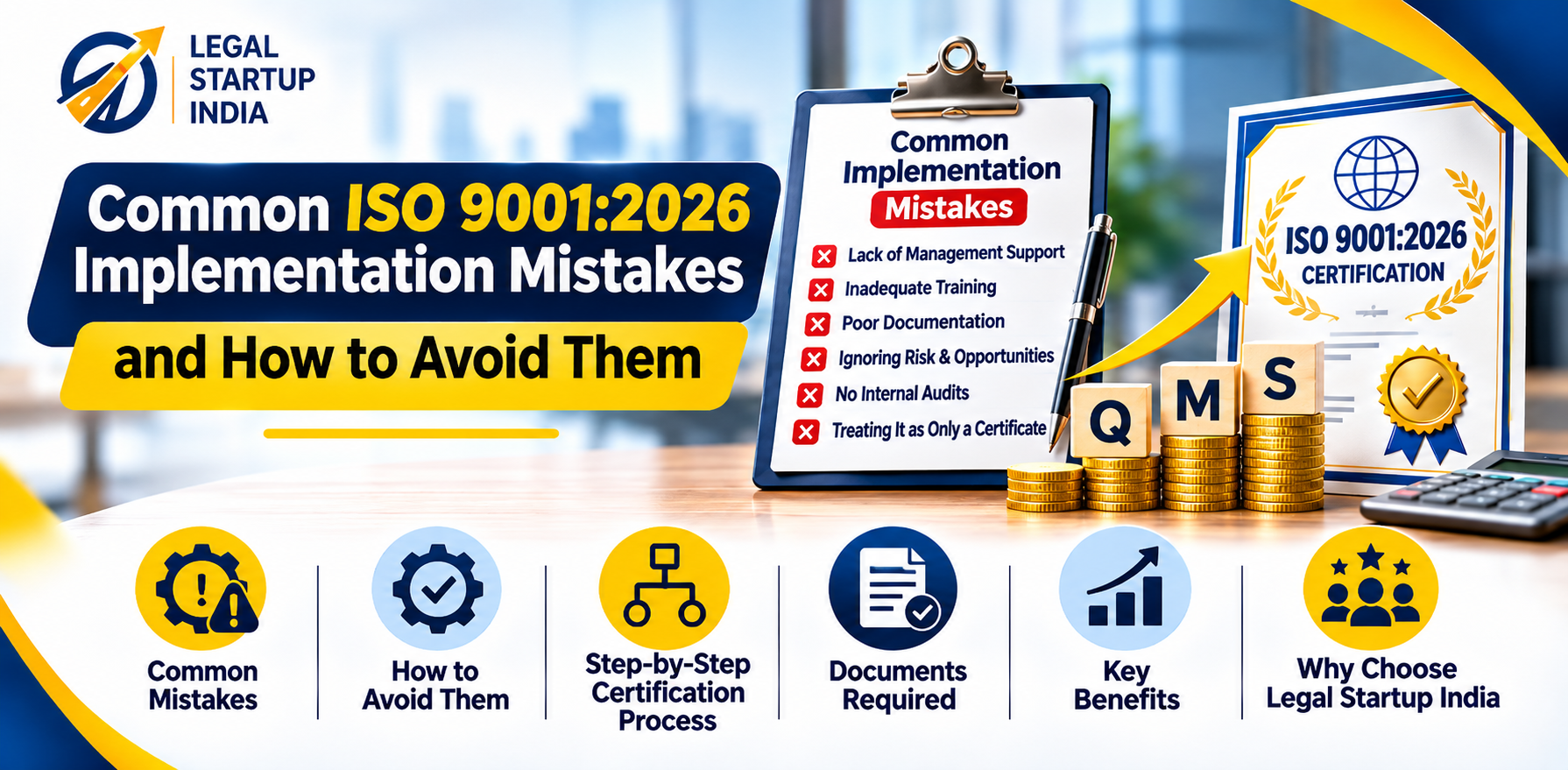 Common ISO 9001 2026 Implementation Mistakes and How to Avoid Them
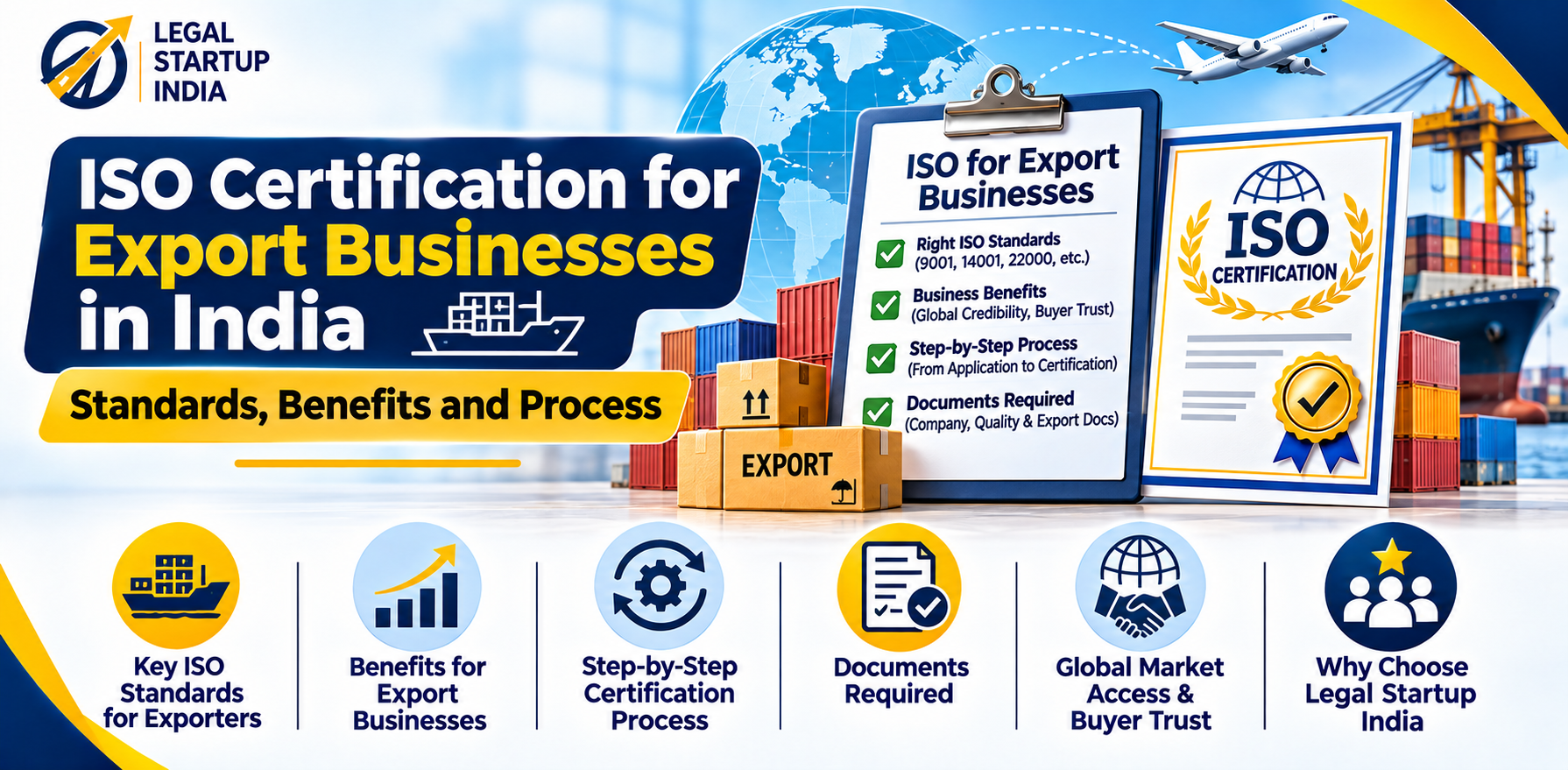 ISO Certification for Export Businesses in India Standards Benefits and Process
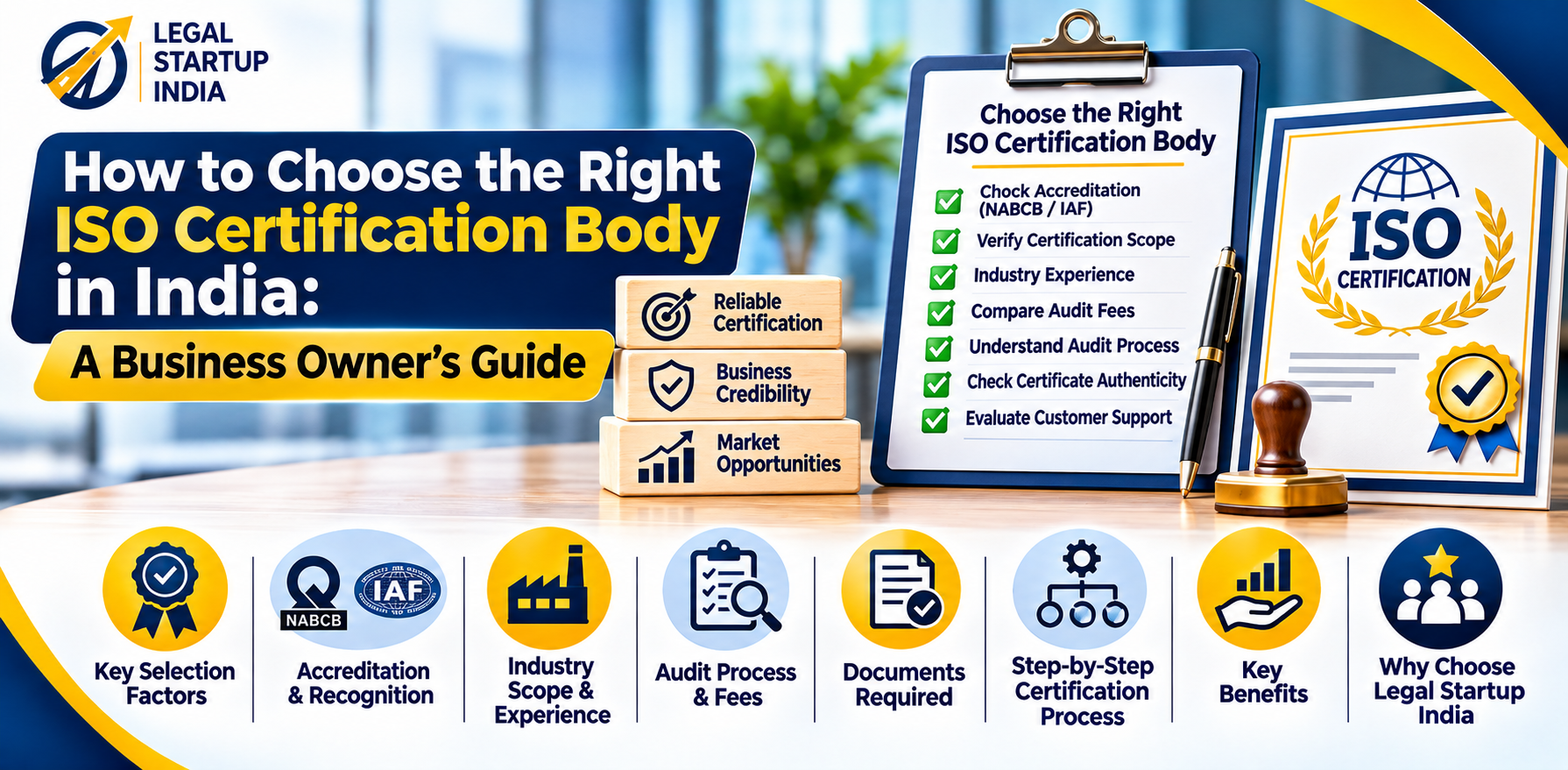 How to Choose the Right ISO Certification Body in India A Business Owners Guide
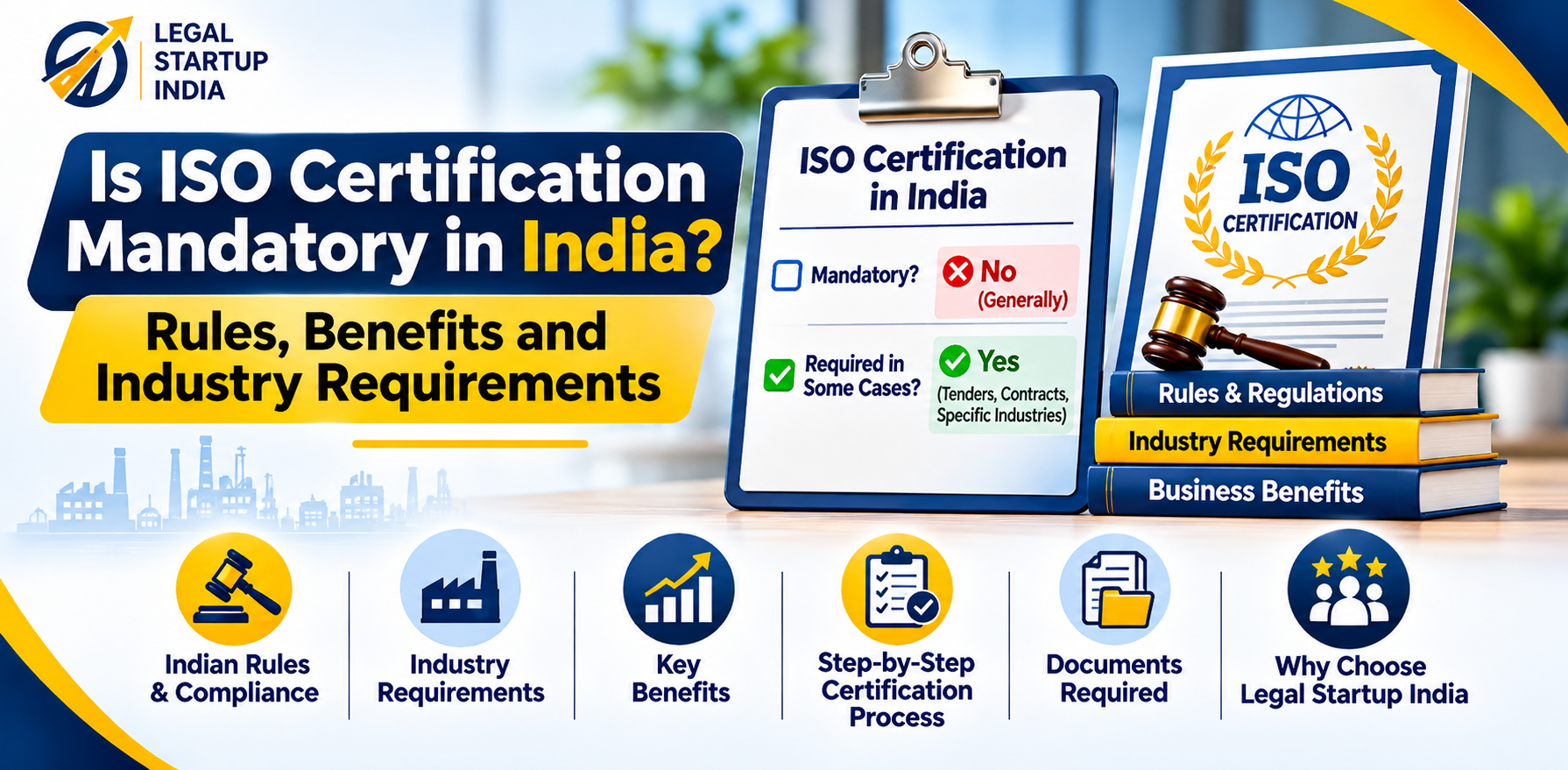 Is ISO Certification Mandatory in India Rules Benefits and Industry Requirements
 ISO Certification Cost in India 2027 Fees Audit Charges and Complete Breakdown
 ISO 9001 2026 vs ISO 9001 2015 Key Differences Changes and Transition Guide
 ISO 9001 2026 vs ISO 9001 2015 What Has Changed