
 07 Nov 2026
Admin ISO
51 Comment
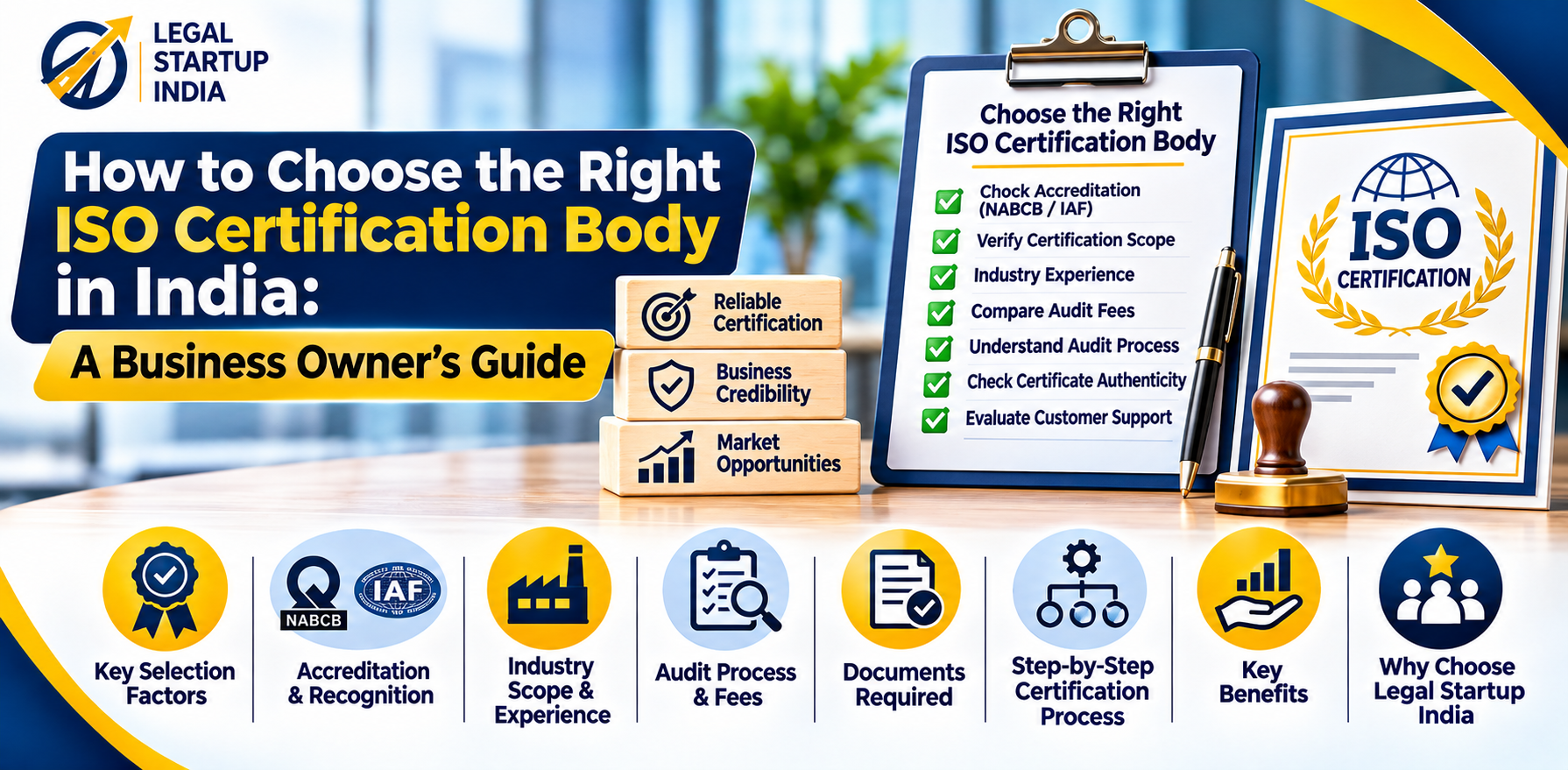
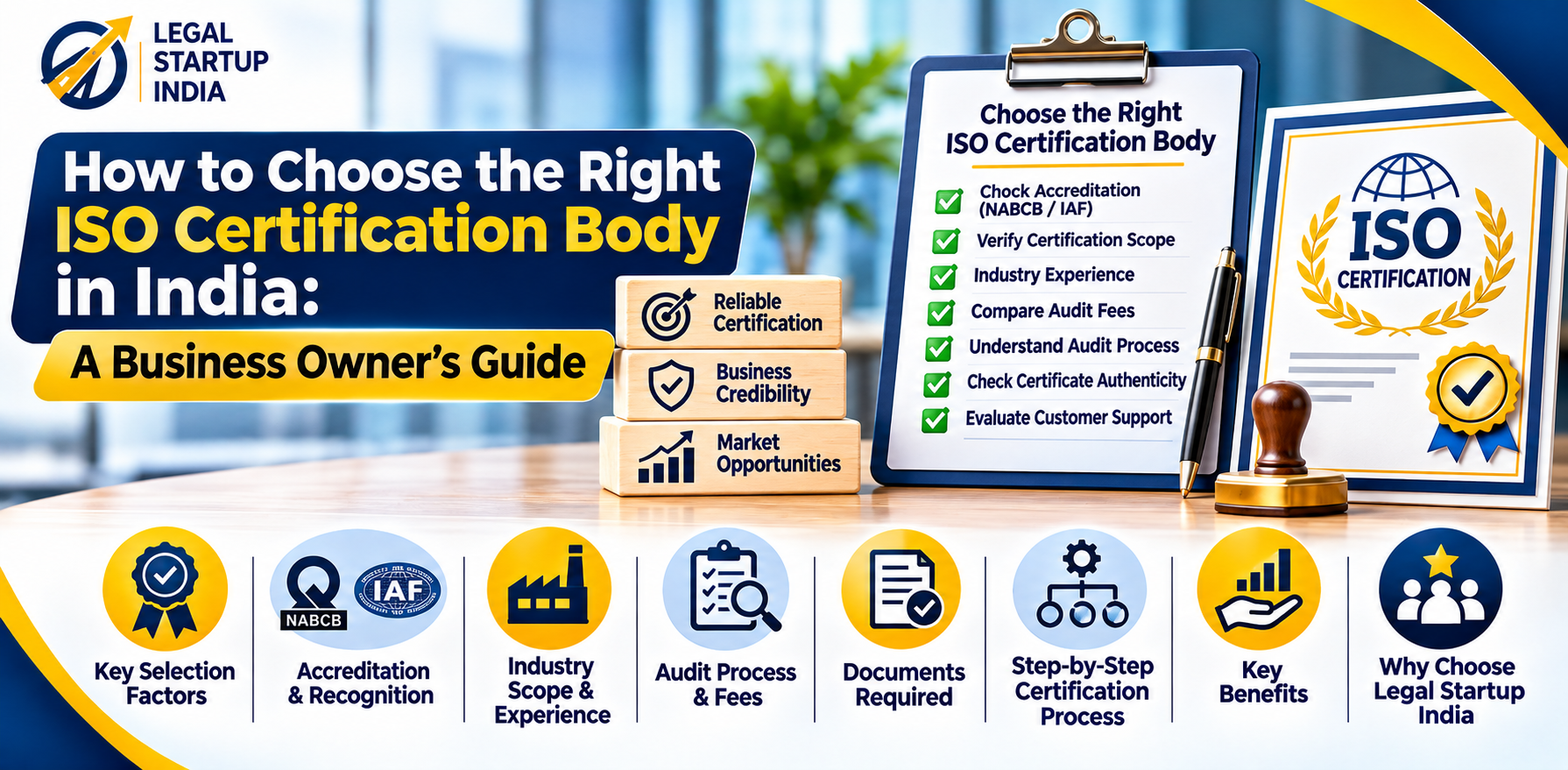
How to Choose the Right ISO Certification Body in India A Business Owners Guide
introduction
Getting ISO certified is an important decision for any business. Whether you operate a manufacturing unit, IT company, construction firm, food processing business or startup, choosing the right certification body is essential for obtaining a credible and useful certificate.
However, many business owners make one common mistake: they select a certification provider based only on price.
A low-cost offer may look attractive, but does the provider have the right accreditation? Is it authorised to certify your particular industry? Will customers and tender authorities accept its certificate?
These questions matter.
An ISO certification body in India is an independent organisation that audits a company's management system and decides whether it meets the requirements of a particular ISO standard.
For example, a manufacturing company in Delhi applying for ISO 9001 should select a certification body competent to audit its quality management system and, where required, appropriately accredited for the relevant industry scope.
This guide explains how to select a reliable ISO certification body, verify accreditation, compare costs and avoid common mistakes.
What Is an ISO Certification Body?
An ISO certification body is an independent third-party organisation that evaluates whether a business complies with the requirements of an ISO management system standard.
It may provide certification for standards such as:
-
ISO 9001: Quality Management System.
-
ISO 14001: Environmental Management System.
-
ISO 45001: Occupational Health and Safety Management System.
-
ISO 22000: Food Safety Management System.
-
ISO 27001: Information Security Management System.
-
ISO 13485: Medical Device Quality Management System.
An important point is that ISO itself does not issue certificates to businesses. Certification is conducted by independent certification bodies.
Also, an ISO consultant and a certification body perform different roles. A consultant helps prepare and implement the management system, while the certification body independently conducts the audit and makes the certification decision.
7 Important Factors to Consider When Choosing an ISO Certification Body in India
1. Check Accreditation and Recognition
Accreditation should be one of your first checks.
In India, the National Accreditation Board for Certification Bodies (NABCB), under the Quality Council of India, accredits eligible certification bodies against applicable international requirements.
If your customers or tender conditions require accredited certification, verify that the certification body's accreditation is current and relevant.
For internationally recognised management system certification, check whether the accreditation body is a signatory to the relevant International Accreditation Forum Multilateral Recognition Arrangement (IAF MLA).
Remember: accreditation is not universally compulsory for every certification body. However, accredited certification provides independent evidence of competence and is often important for procurement and international acceptance.
2. Verify the Certification Body's Scope
Not every certification body is accredited for every ISO standard or industry.
For example, a certification body may have accreditation for ISO 9001 but not ISO 27001.
Even within one standard, accreditation may cover specific industry sectors.
Before proceeding, confirm:
-
The exact ISO standard.
-
The certification body's accredited status.
-
The applicable industry sector or technical scope.
-
The validity of its accreditation.
-
The accreditation body's recognition status.
This is particularly important for pharmaceutical, food, construction, engineering and IT businesses.
3. Check Industry Experience
Choose a certification body with auditors who understand your business operations.
For example, a food processing company in Uttar Pradesh should work with a certification body capable of understanding food safety processes, hygiene controls, traceability and applicable ISO 22000 requirements.
Similarly, an IT company may need auditors familiar with information security controls, access management and risk assessment under ISO 27001.
Industry knowledge helps make the audit more relevant to actual business operations.
4. Compare Certification Fees and Audit Charges
Do not select a certification body only because it offers the cheapest quotation.
Ask for a clear cost breakdown covering:
-
Application and registration charges.
-
Stage 1 audit fees.
-
Stage 2 audit fees.
-
Auditor travel and related expenses.
-
Certificate issuance charges.
-
Annual surveillance audit fees.
-
Recertification charges.
Compare quotations based on the same ISO standard, certification scope and number of audit days.
A transparent quotation makes it easier to plan your certification budget.
5. Understand the Audit Process
A professional certification body should clearly explain its audit methodology.
For management system certification, the process generally includes:
Stage 1 Audit: Reviews management system documentation, scope and readiness.
Stage 2 Audit: Evaluates whether the management system has been implemented effectively.
If non-conformities are identified, the organisation must address them according to the certification body's procedures before certification can be granted.
Avoid providers promising certificates without a genuine assessment.
6. Verify Certificate Authenticity
Before selecting a certification body, understand how its certificates can be verified.
Ask for:
-
A sample certificate.
-
Certificate identification number format.
-
Online certificate verification facility.
-
Accreditation details.
-
Certification scope and validity information.
For accredited management system certificates, you can also check the Global Accreditation Cooperation Incorporated's IAF CertSearch platform where applicable.
An absent database result should not automatically be treated as proof of an invalid certificate, because certificate records may not always be available there. Confirm directly with the certification body and its accreditation body.
7. Check Customer Support and Transparency
A reliable certification body should communicate clearly about audit planning, required documents, non-conformities and certification decisions.
Before signing an agreement, clarify who will coordinate the audit, how findings will be communicated and what happens if your organisation does not meet the requirements initially.
Key Benefits of Choosing the Right ISO Certification Body
Selecting a competent certification body can provide several advantages:
-
Credible certification: Helps demonstrate that your management system has undergone independent assessment.
-
Better customer confidence: Supports trust among buyers, suppliers and business partners.
-
Tender eligibility: Helps meet certification requirements where specified in tender documents.
-
Industry acceptance: Relevant accreditation can improve acceptance in domestic and international markets.
-
Professional auditing: Competent auditors can evaluate processes against the applicable standard.
-
Long-term compliance: Surveillance audits help maintain the certified management system.
-
Reduced certification risks: Accreditation and scope verification help avoid unsuitable certification arrangements.
Step-by-Step ISO Certification Process in India
Once you have selected a suitable certification body, the following steps generally apply.
Step 1: Select the ISO Standard
Identify the standard according to your business activities and customer requirements.
Step 2: Define Certification Scope
Determine which business activities, departments and locations will be covered.
Step 3: Submit the Application
Provide company details, employee strength, operational information and the required certification scope.
Step 4: Prepare Documentation
Develop the required policies, procedures, risk assessments and operational records.
Step 5: Implement the Management System
Ensure employees follow the relevant processes and maintain evidence of implementation.
Step 6: Complete Internal Audit
Identify gaps and correct non-conformities before the external certification audit.
Step 7: Attend External Certification Audit
The selected certification body conducts the applicable audit stages and evaluates compliance.
Step 8: Certification Decision and Certificate Issuance
After successful audit completion and closure of required findings, the certification body makes the certification decision and issues the certificate.
Documents Required for ISO Certification
The exact documentation depends on the selected standard and business activities.
Common documents include:
-
Company incorporation or registration certificate.
-
PAN card of the organisation.
-
GST registration, where applicable.
-
Business address proof.
-
Company profile and business activity details.
-
Employee details and organisational structure.
-
Quality or relevant management system policy.
-
Management system objectives.
-
Process procedures and work instructions, where applicable.
-
Risk assessment records.
-
Employee training and competency records.
-
Internal audit reports.
-
Management review records.
-
Corrective action records.
The certification body may request additional information depending on the audit scope and applicable standard.
Why Choose Legal Startup India?
Selecting the right ISO certification arrangement can be confusing, particularly for startups, MSMEs and first-time applicants.
Legal Startup India helps businesses understand ISO standards, certification requirements and the steps involved in preparing for an external audit.
Our support includes:
-
Guidance on selecting the appropriate ISO standard.
-
Assistance with certification application requirements.
-
QMS documentation and implementation guidance.
-
Internal audit preparation.
-
Guidance on certification body and accreditation checks.
-
Assistance with audit coordination.
-
Support for startups, MSMEs and established organisations.
We focus on helping businesses understand the certification process and make informed decisions rather than choosing a provider based only on price.
Frequently Asked Questions (FAQs)
1. How do I choose the best ISO certification body in India?
Check the certification body's accreditation, relevant ISO standard, industry scope, auditor competence, audit process, certificate verification facility and fee transparency. Also confirm whether the accreditation meets your customer or tender requirements.
2. What is an NABCB accredited ISO certification body?
An NABCB accredited certification body is an organisation that has been assessed and accredited by the National Accreditation Board for Certification Bodies for specified certification activities and scopes. Always verify its current accreditation and applicable standard.
3. Is IAF accreditation mandatory for ISO certification?
No. Accreditation is not universally mandatory for every ISO certification. However, if accredited certification is required, check whether the accreditation body is a signatory to the relevant IAF MLA and whether the certification body's scope covers your standard and industry.
4. What is the difference between an ISO consultant and a certification body?
An ISO consultant assists businesses with documentation, implementation and audit preparation. A certification body independently audits the management system and makes the certification decision. These are separate responsibilities.
5. How can I verify whether an ISO certificate is genuine?
Check the certificate number, organisation name, standard, scope, issuing certification body and accreditation details. Verify the certification body's accreditation through the relevant accreditation body and use an appropriate certificate verification database where available.
Conclusion
Choosing the right ISO certification body in India is about more than obtaining a certificate. It is about ensuring that your organisation receives an independent, competent and credible assessment of its management system.
Before making a decision, verify accreditation, check industry scope, compare audit charges and understand the certification process.
Whether you operate a startup, MSME, manufacturing company, IT firm or service organisation, selecting the right certification arrangement can support business credibility and long-term growth.
Get ISO Certification Guidance from Legal Startup India
Planning to obtain ISO 9001, ISO 14001, ISO 45001, ISO 22000 or ISO 27001 certification?
Connect with Legal Startup India to understand your certification requirements, documentation and audit preparation.
Legal Startup India
Website: https://legalstartupindia.com/
Email: info@legalstartupindia.com
Contact our team today for professional guidance on choosing the appropriate ISO certification route for your business.
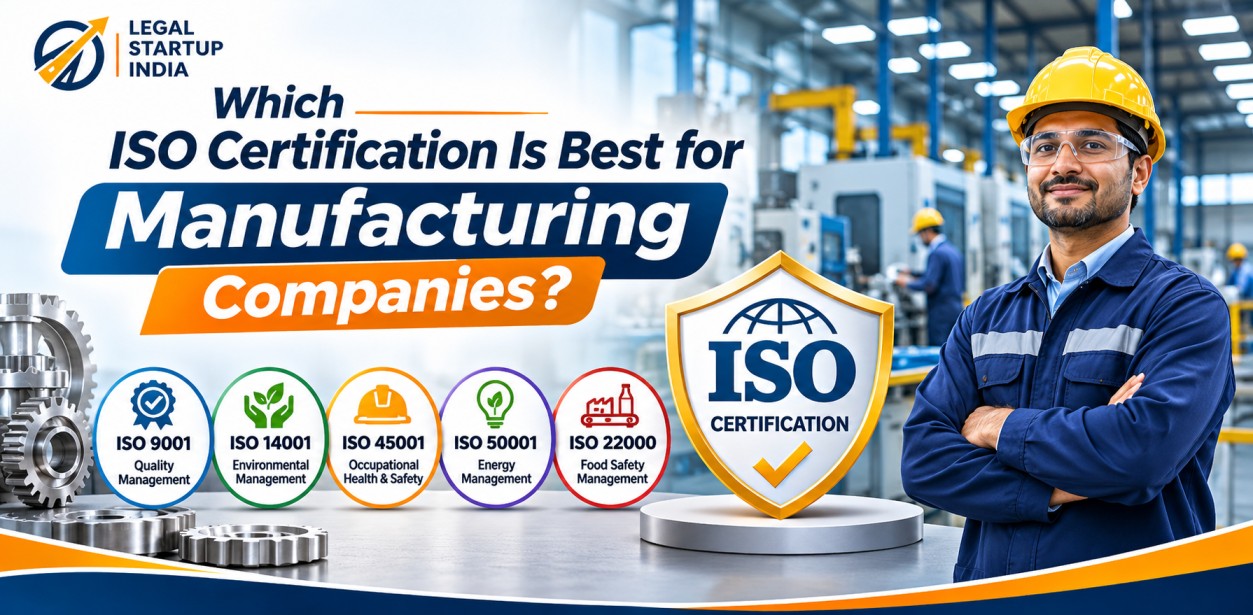 Which ISO Certification Is Best for Manufacturing Companies
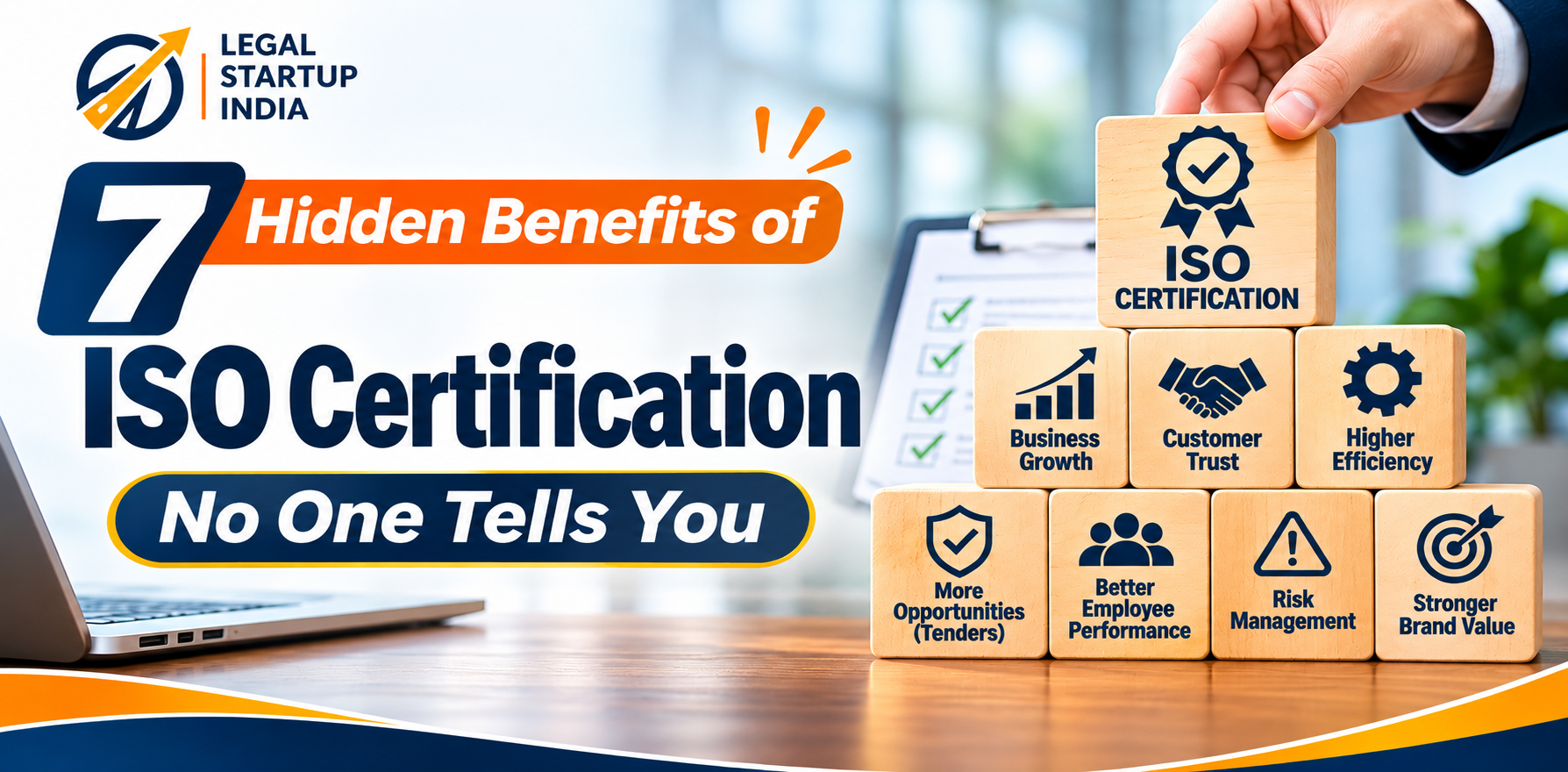 7 Hidden Benefits of ISO Certification No One Tells You
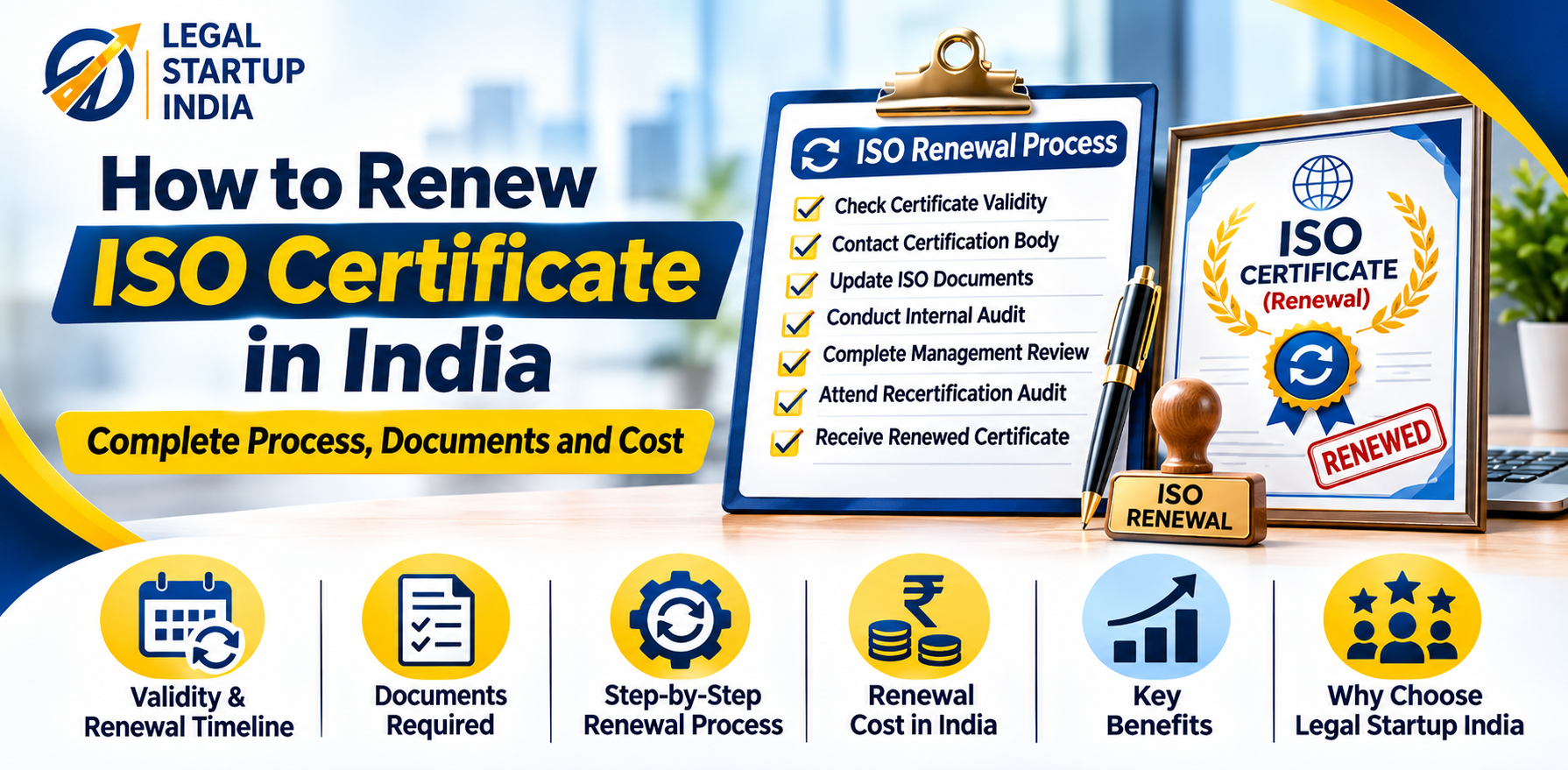 How to Renew ISO Certificate in India
 Common ISO 9001 2026 Implementation Mistakes and How to Avoid Them
 ISO Certification for Export Businesses in India Standards Benefits and Process
 How to Choose the Right ISO Certification Body in India A Business Owners Guide
 Is ISO Certification Mandatory in India Rules Benefits and Industry Requirements
 ISO Certification Cost in India 2027 Fees Audit Charges and Complete Breakdown
 ISO 9001 2026 vs ISO 9001 2015 Key Differences Changes and Transition Guide
 ISO 9001 2026 vs ISO 9001 2015 What Has Changed