
 23 Nov 2026
Admin ISO
51 Comment
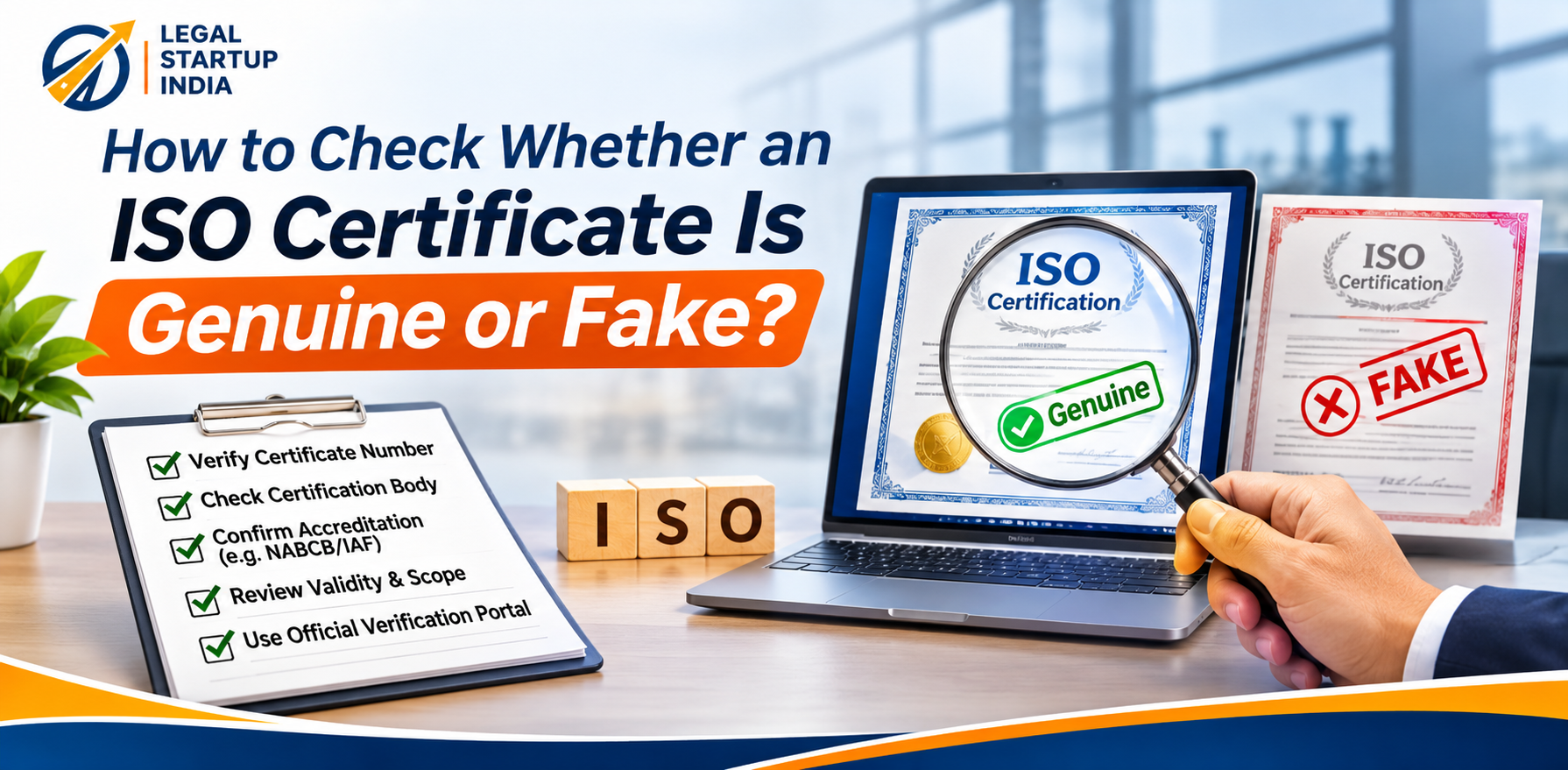
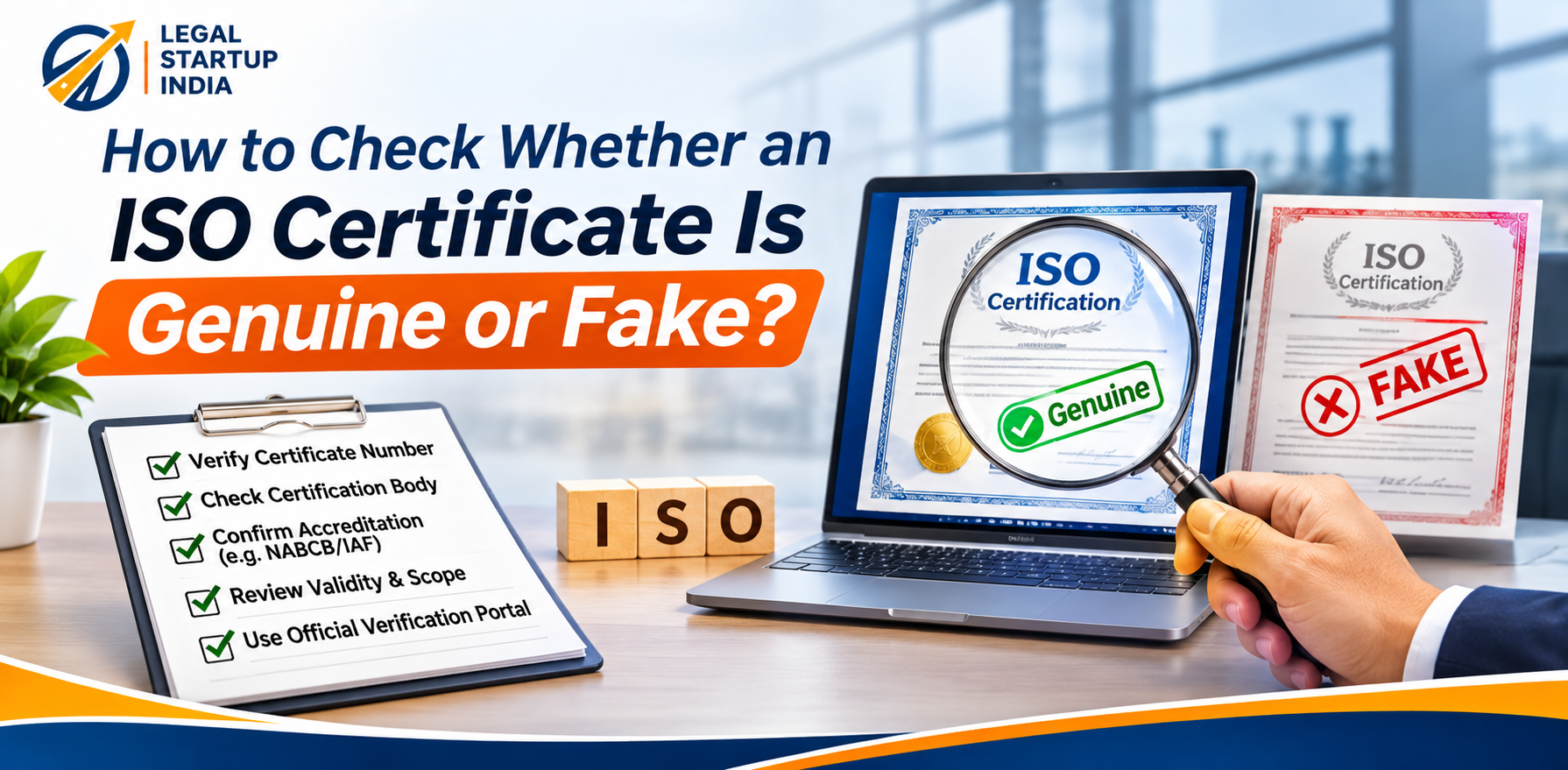
How to Check Whether an ISO Certificate Is Genuine or Fake
Introduction
ISO certification is an important way for businesses to demonstrate their commitment to quality, safety, efficiency and professional standards. Many Indian companies obtain ISO certification to improve customer confidence, participate in government tenders, work with large organizations and expand into international markets.
However, not every ISO certificate available in the market is genuine. Some businesses unknowingly purchase certificates from unauthorized agencies that issue documents without proper audits or valid accreditation. These certificates may look professional but can create serious problems during vendor verification, tender evaluation or customer audits.
So, how can you check whether an ISO certificate is genuine or fake?
The safest approach is to verify the certificate number, issuing certification body, accreditation details, applicable ISO standard and certification status through reliable sources. A genuine ISO certificate should be traceable to a legitimate certification body and supported by an appropriate certification process.
In this guide, we explain how Indian businesses can verify an ISO certificate step by step and avoid fraudulent certification providers.
Why Is It Important to Check Whether an ISO Certificate Is Genuine?
Before accepting an ISO certificate, businesses should confirm that it is valid and issued by a legitimate certification body.
Consider an Indian manufacturing company applying for a government tender. The company submits an ISO 9001 certificate received from a consultancy. During document verification, the buyer discovers that the issuing organization has no verifiable accreditation or certification records.
This can result in rejection of the application and damage to the company's reputation.
Here are some important reasons to verify an ISO certificate:
-
Avoid fake certification: Protect your business from unauthorized certification providers.
-
Build customer trust: Demonstrate that your quality management system meets the relevant requirements.
-
Support tender applications: Reduce the risk of certificate rejection during eligibility checks.
-
Protect business reputation: Avoid problems caused by misleading certification claims.
-
Meet supplier requirements: Provide reliable certification evidence to customers and business partners.
-
Ensure proper compliance: Confirm that the certificate covers the correct standard, activities and business location.
How to Check Whether an ISO Certificate Is Genuine or Fake?
You can verify an ISO certificate by following these practical steps.
Step 1: Check the ISO Certificate Number
Every ISO certificate contains a unique certificate identification number assigned by its issuing certification body.
Look for the following details:
-
Certificate number
-
Company's registered name
-
Certification standard, such as ISO 9001 or ISO 14001
-
Date of issue
-
Expiry date or validity information
-
Name of the certification body
Contact the issuing certification body or use its official certificate verification portal to confirm whether the certificate number exists.
A certificate number alone does not prove authenticity. It must match the organization's official records.
Step 2: Verify the Certification Body
The certification body is the organization responsible for assessing the company's management system and issuing the certificate.
Visit its official website and check whether it provides a certificate verification facility, accreditation details and contact information.
You should also confirm that the certification body is authorized to certify against the particular ISO management system standard.
Be careful when dealing with agencies that claim to issue ISO certificates without any audit or assessment.
Step 3: Check Accreditation Details
Accreditation provides independent recognition of a certification body's competence for specified certification activities.
For example, in India, the National Accreditation Board for Certification Bodies (NABCB) accredits certification bodies for relevant management system certification activities.
You can check the accreditation status and scope through the official NABCB website.
For international verification, IAF CertSearch can also help users check certification information available in its database.
Important points to remember:
-
Check the accreditation body's name.
-
Verify the accreditation number.
-
Confirm the accreditation status.
-
Check whether the relevant ISO standard is included in the accreditation scope.
-
Ensure the certification body and its accreditation details match the certificate.
Remember that accreditation and certification are different. ISO itself does not issue ISO 9001 or ISO 14001 certificates to individual companies.
Step 4: Verify the Certificate Through IAF CertSearch
IAF CertSearch is an international database designed to help users verify accredited management system certifications.
Visit the official IAF CertSearch website and search using the company name, certificate number or other available details.
If the certificate appears, compare the available information with the document.
However, not every certificate will necessarily appear in the database. Therefore, the absence of a result should not automatically be treated as proof of fraud. Contact the certification body and relevant accreditation body for further verification.
Step 5: Check the Company Name and Business Scope
A genuine ISO certificate should clearly identify the organization receiving certification and describe the activities covered by the certification.
For example, if a company manufactures electrical equipment, but its certificate mentions only office administration services, the scope may not meet the company's actual certification requirements.
Check these details carefully:
-
Legal business name
-
Registered or certified location
-
Nature of business activities
-
Certification scope
-
Applicable ISO standard
-
Issue and validity dates
If the business name, location or certification scope is incorrect, request clarification or correction from the issuing certification body.
Step 6: Confirm the Audit and Certification Process
A legitimate management system certification involves an assessment of the organization's management system against the applicable standard.
Depending on the certification scheme, this may include documentation review, audit planning, assessment, corrective actions and an independent certification decision.
Be cautious if an agency promises an ISO certificate immediately without understanding your business operations or conducting the required assessment.
A certificate should reflect an actual conformity assessment, not simply the purchase of a document.
Step 7: Contact the Issuing Certification Body
If you are still unsure, contact the certification body directly using the contact details published on its official website.
Provide the certificate number and request written confirmation of:
-
Whether the certificate was issued by them
-
Whether it is currently valid
-
Whether the certification has been suspended or withdrawn
-
Whether the business scope is accurate
-
Whether the accreditation details are applicable
Written confirmation is especially useful when verifying supplier certificates or documents submitted during tender applications.
Common Warning Signs of a Fake ISO Certificate
Watch out for these signs before accepting or purchasing an ISO certificate:
| Warning sign | Why it matters |
|---|---|
| Certificate without a unique number | Difficult to trace and verify |
| No identifiable certification body | Issuer's legitimacy cannot be established |
| False accreditation logo | May create a misleading impression of recognition |
| Certificate issued without proper assessment | Certification process may not have been followed |
| Incorrect company details | Document may not belong to the business |
| No verifiable certification records | Authenticity requires further investigation |
| Guaranteed certification without audit | Potential indication of an unreliable provider |
A professional-looking certificate is not necessarily a genuine certificate. Always verify the issuing organization and supporting records.
Key Benefits of Getting Genuine ISO Certification
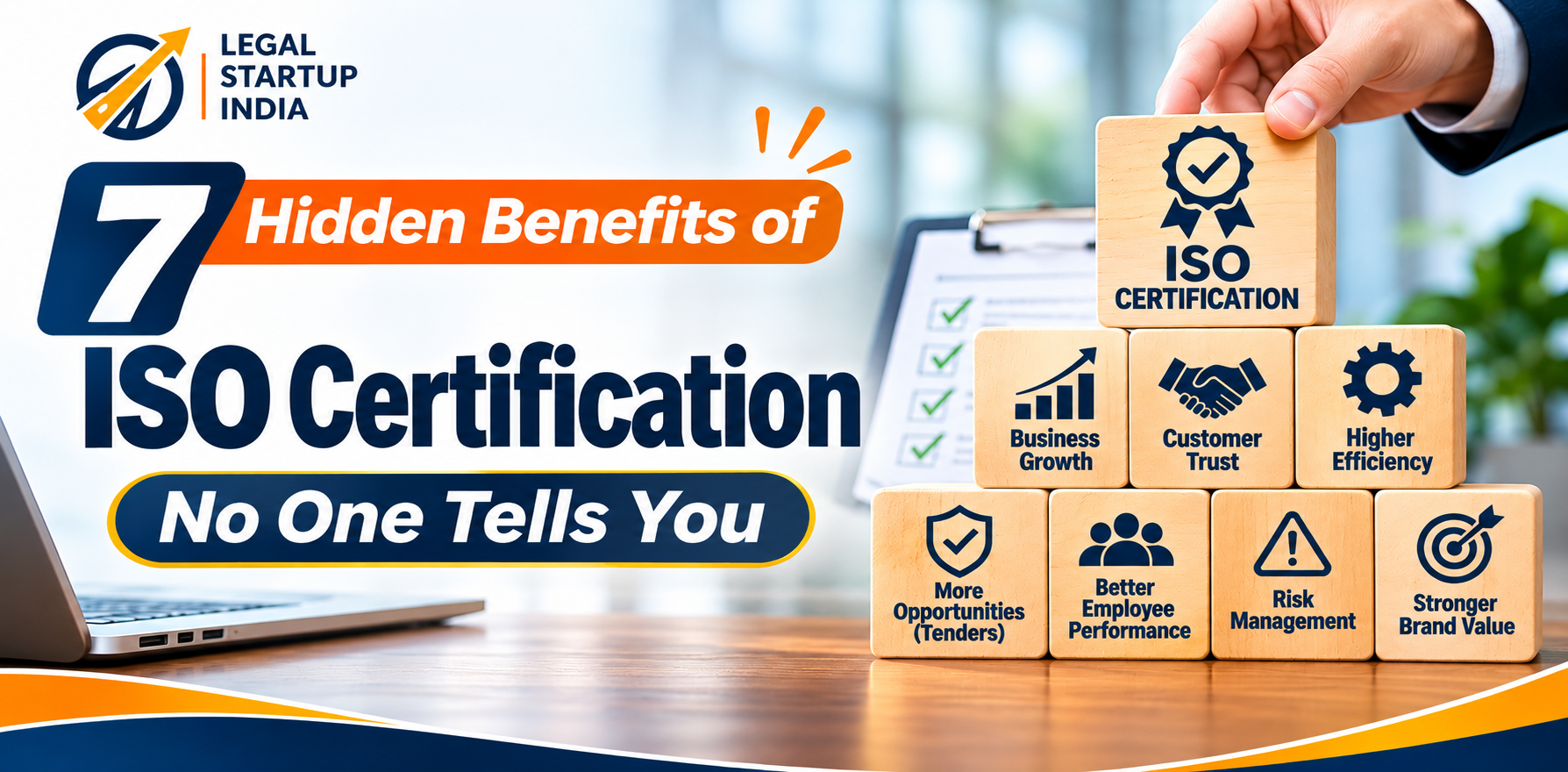
Obtaining genuine ISO certification can offer several advantages to Indian businesses.
-
Improved business credibility: Helps demonstrate commitment to recognized management system requirements.
-
Better operational control: Encourages structured processes, responsibilities and documentation.
-
Customer confidence: Provides customers with independently assessed evidence of conformity.
-
Tender opportunities: Can help meet ISO-related eligibility requirements where specified.
-
International business support: May strengthen supplier credibility when working with overseas buyers.
-
Continuous improvement: Encourages regular evaluation and improvement of business processes.
The benefits depend on the applicable ISO standard, the organization's implementation and the requirements of its customers or industry.
Step-by-Step ISO Certification Process
If your business does not currently have ISO certification, follow a structured process to obtain it from a reliable certification body.
Step 1: Identify the applicable ISO standard
Choose the standard according to your business requirements. For example:
-
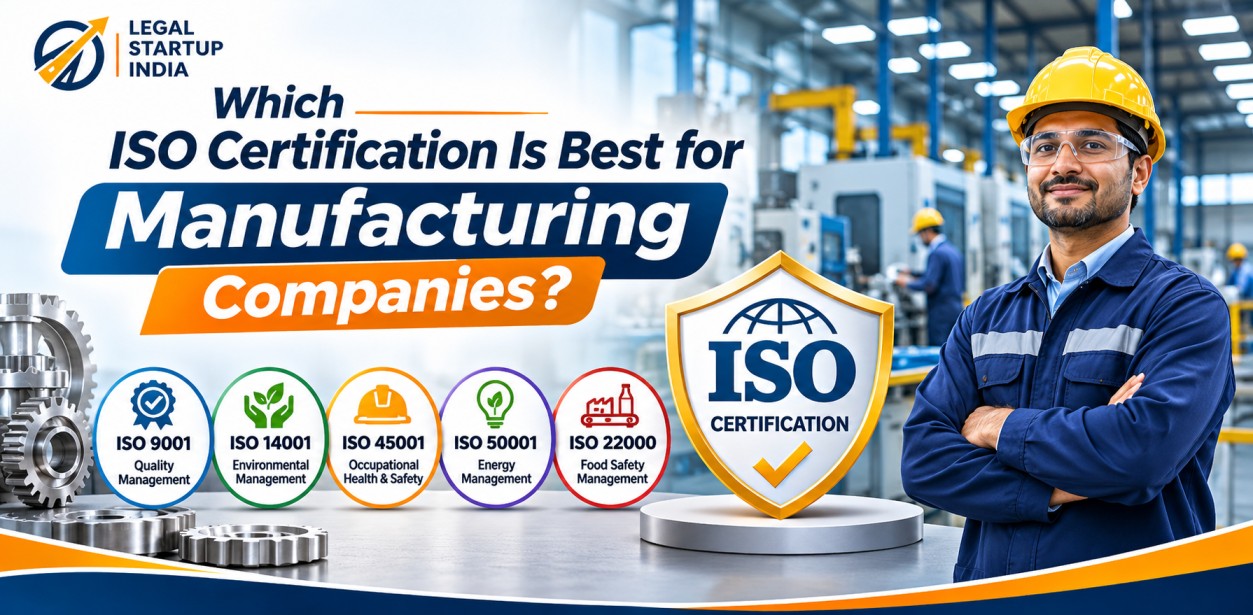
ISO 9001 – Quality Management System
-
ISO 14001 – Environmental Management System
-
ISO 45001 – Occupational Health and Safety Management System
-
ISO 22000 – Food Safety Management System
-
ISO 27001 – Information Security Management System
Step 2: Understand the requirements
Review the requirements of the selected standard and identify the processes that need improvement or documentation.
Step 3: Prepare the necessary documents
Organize business registration details, process information, policies, procedures and relevant records.
Step 4: Implement the management system
Put the required processes into practice and ensure employees understand their responsibilities.
Step 5: Arrange the certification audit
The certification body assesses whether the management system meets the applicable requirements.
Step 6: Complete corrective actions
Address any nonconformities identified during the assessment.
Step 7: Receive and verify the certificate
After a successful certification decision, receive the certificate and independently verify its details.
Documents Required for ISO Certification
The documents required depend on the selected ISO standard, business activities and certification scope. Commonly requested documents include:
-
PAN card of the business or proprietor, where applicable.
-
GST registration certificate, if applicable.
-
Certificate of Incorporation or business registration proof.
-
Business address proof.
-
Details of directors, partners or proprietors.
-
Employee details and organizational structure.
-
Description of business activities.
-
Quality policy or relevant management system policy.
-
Process details and operational records.
-
Existing procedures and supporting documents, where applicable.
Not every business needs the same documents. The certification requirements should be determined according to the relevant standard and the organization's actual operations.
Why Choose Legal Startup India for ISO Certification Assistance?
Choosing the right ISO certification support provider is important for avoiding unnecessary expenses, confusion and unreliable certification claims.
Legal Startup India helps businesses understand applicable ISO standards, documentation requirements and the certification process.
Our focus is on making the process easier for startups, manufacturers, service providers and established organizations.
Why work with us?
-
Assistance in identifying the appropriate ISO standard.
-
Guidance on documentation and implementation requirements.
-
Business-focused consultation.
-
Support throughout the certification process.
-
Clear communication about certification requirements.
-
Assistance in understanding certificate verification and validity.
We encourage businesses to verify the credentials, accreditation scope and certification status of the issuing certification body before relying on any ISO certificate.
Frequently Asked Questions (FAQs)
1. How can I check whether an ISO certificate is genuine or fake?
Check the certificate number, issuing certification body, accreditation details, company name, certification scope and validity. Confirm these details through the certification body's official website, NABCB or IAF CertSearch, as applicable.
2. Can I verify an ISO certificate online in India?
Yes. You can check available certification records through IAF CertSearch and verify relevant certification body accreditation details through the official NABCB website. You can also contact the issuing certification body directly.
3. Does ISO itself issue certificates to Indian companies?
No. ISO develops international standards but does not directly certify individual companies. Certification is provided by independent certification bodies.
4. Is an ISO certificate valid without accreditation?
A certificate may be issued by a non-accredited certification body, but its recognition and acceptance can differ. If a customer, tender or regulatory requirement specifies accredited certification, check that the issuing body has the appropriate accreditation and scope.
5. What should I do if I receive a fake ISO certificate?
Do not use the document as proof of certification. Contact the issuing organization and relevant accreditation body, preserve the supporting records and request clarification. If fraud is suspected, consider reporting it to the appropriate authority.
Conclusion: Verify Before You Trust an ISO Certificate
An ISO certificate can strengthen your business reputation, but only when it is genuine, correctly issued and relevant to your business activities.
Before accepting or purchasing an ISO certificate, always verify its certificate number, certification body, accreditation scope, company details and current status. Never depend only on the appearance of a certificate or promises made by an agency.
If you are planning to obtain ISO certification or need guidance about the verification process, Legal Startup India can help you understand the requirements and next steps.
Get professional assistance for your ISO certification requirements today.
Website: https://legalstartupindia.com/
Email: info@legalstartupindia.com
Contact Legal Startup India to discuss the right ISO certification approach for your business.
 How to Check Whether an ISO Certificate Is Genuine or Fake
 Which ISO Certification Is Best for Manufacturing Companies
 7 Hidden Benefits of ISO Certification No One Tells You
 How to Renew ISO Certificate in India
 Common ISO 9001 2026 Implementation Mistakes and How to Avoid Them
 ISO Certification for Export Businesses in India Standards Benefits and Process
 How to Choose the Right ISO Certification Body in India A Business Owners Guide
 Is ISO Certification Mandatory in India Rules Benefits and Industry Requirements
 ISO Certification Cost in India 2027 Fees Audit Charges and Complete Breakdown
 ISO 9001 2026 vs ISO 9001 2015 Key Differences Changes and Transition Guide